

[비즈한국] As the Trump administration has made drug price reduction a key campaign pledge, there are expectations that the market for biosimilars—which have proven bioequivalence to original biologic drugs—will grow significantly. Since the U.S. Food and Drug Administration (FDA) approved its first biosimilar, "Zarxio," for the first-generation biologic "Neupogen" in 2015, it has approved a total of 62 biosimilars to date. We took a closer look at the status of these 62 biosimilar approvals.
Autoimmune disease treatments account for 33.2%... 'Humira' biosimilars rank 1st with 10 approvals
As of the 10th, a total of 62 biosimilar products have been approved by the U.S. FDA. This year, 11 products were approved in the first half and 6 in the second half. The U.S. approved its first biosimilar in 2015, nine years later than the European Union (EU). Looking at the annual trend, the scale of approvals, which was on an upward trajectory until 2019, declined from 2020 to 2021 due to the impact of COVID-19, but has been recovering since 2022. While there were only 5 approvals last year, 17 biosimilars have been approved so far this year.
By therapeutic area, "autoimmune disease treatments" saw the most approvals. Autoimmune disease is a condition where immune cells attack the body's own normal tissue. Autoimmune disease treatments accounted for 20 products, representing 32.2% of all products approved over the past 10 years. Immuno-oncology drugs followed with 11, and neutropenia treatments ranked third with 10. Neutropenia is a condition where a decrease in the proportion of neutrophils in white blood cells makes one vulnerable to infection. Arthritis treatments followed in 4th place with 8, and ophthalmic disease treatments in 5th with 7. Other categories included blood and kidney disease treatments, diabetes treatments, musculoskeletal disease treatments, and anemia treatments.
The most frequently approved original biologic was "Humira," for which a total of 10 biosimilars have been cleared. Humira is an autoimmune disease treatment; following the approval of the first biosimilar, Amjevita (Amgen), in September 2016, biosimilars have been steadily approved until early this year. With 15 indications, Humira was the world's top-selling drug from 2012 to 2022, excluding COVID-19 vaccines. In second place were Stelara (autoimmune disease treatment), Neulasta (neutropenia treatment), and Herceptin (immuno-oncology drug) with 6 each; in third place were Avastin (immuno-oncology drug) and Eylea (ophthalmic disease treatment) with 5 each.
'Ophthalmic disease treatments' stand out since 2020
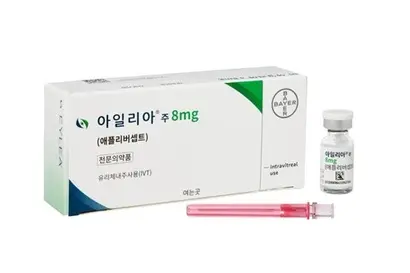
Looking at the approval status since 2020, which is referred to as the "third generation," the rise of "ophthalmic disease treatments" was notable. Although autoimmune disease treatments still had the most approvals after 2020, ophthalmic disease treatments saw 6 out of their 7 total products approved since 2020, placing them second. Specifically, there were 4 for Eylea and 2 for Lucentis. For autoimmune disease treatments, the pace of approval is accelerating. While there were 7 approvals from 2015 to 2019, 13 products were cleared since 2020, showing a nearly twofold increase over the same period. Conversely, interest in arthritis treatments is waning. Of the 8 products, only 2 were approved since 2020.
By country, the U.S. had the most with 26, followed by South Korea with 13, Switzerland with 7, Germany with 6, India with 6, Iceland with 2, China with 1, and Taiwan with 1. In the case of South Korea, Samsung Bioepis received approvals for 8 biosimilars, and Celltrion068270 for 5. Samsung Bioepis has received 3 approvals this year, including "Epysqli," a biosimilar for the blood and kidney disease treatment Soliris. Celltrion received approval for its Humira biosimilar "Yuflyma" last year and recently disclosed global phase 3 clinical trial results regarding the interchangeability between Humira and Yuflyma.
Meanwhile, there are concerns that the burden on biosimilar companies entering the U.S. market could increase as the FDA recently significantly raised its biosimilar application review fees. According to a notice posted in the Federal Register last July, the FDA finalized and published the review fees for fiscal year 2025 (October 1, 2024–September 30, 2025). For biosimilars, the fee was increased by 44.4%, the largest jump, to $1,471,118 (approximately 2 billion KRW).
The FDA sets fees every year based on inflation, the number of applications, and other factors. In its notice, the FDA stated the reason for the increase, explaining, "Because operating reserves were significantly adjusted downward over the past few years, additional funding is needed to maintain staffing levels, and we expect the review workload to continue to increase."