

[비즈한국] There is a saying, "The value of 'together'." This phrase appeared in a corporate image advertisement over a decade ago. It is a brilliant tagline, meaning that the power of togetherness can change the world. Being together implies empathy or communication, and through this power, a new paradigm can be created. Art also holds value when it resonates with people. Empathy stems from the zeitgeist and a universal language of art. The 'Korea Art Promotion Project' also aims to showcase the thoughts of various people through an accessible art language. As we reach Season 10, we support artists who strive to practice Confucius's idea that "good art must be easy to understand."
Science is the realization of an artist's imagination in reality. It was art that constantly stimulated the scientific advancements that led Western modern civilization. In other words, art had been leading science. However, as the fruits of the Industrial Revolution began to materialize in the 19th century, this relationship started to reverse. The dazzling evolution of scientific technology began to outpace the artist's imagination. By the 20th century, known as the era of modern civilization, science has been leading art.
Sometimes, new scientific technology becomes the catalyst for the birth of new art, and at other times, scientific thinking creates new art concepts. This is due to the physiology of Western art, which seeks the evolution of aesthetics through the exploration of novelty.
The element that has played the greatest role in this transformation of art is design. This is because design thinking stems from the progress of science. Design, as a new driving force of modern civilization, is also exerting a significant influence on fine art.
The person who made a full-fledged attempt to use design as a method of painting was the Post-Impressionist painter Henri de Toulouse-Lautrec (1864-1901). While creating works based on the theme of urban nightlife, he sublimated the concept of commercial posters into his own painting technique.
Art Nouveau (meaning "new art"), which expanded the realm of art into a decorative art style from the late 19th to the early 20th century, turned design elements into a language of expression for painting. Czech painter Alphonse Mucha (1860-1939), who represented this style, showcased paintings with a design sensibility by combining feminine beauty with botanical patterns.
The person who truly turned visual elements of design into a painting language was the abstract painter Piet Mondrian (1872-1944). Founder of geometric abstraction, he created paintings composed solely of the basic languages of art: dots, lines, planes, and colors. The visual pleasure created by the harmony of precise divisions and proportions of lines and colors is the artistry Mondrian pursued. Therefore, it is a task that can only be done with a master plan based on thorough calculation. With an accurate blueprint, production is possible even without the artist present. It is, in a sense, a production method where the artist is in the position of a designer.
It was the Op Art artists who maximized the visual effects of design to create a new language of painting. Works by Victor Vasarely (1908-1997), who represents this movement, demonstrate an optical illusion as if the canvas is moving through patterned design motifs. Pop Art artists translated this production method into a painterly one. In the paintings of Pop Art artists, design elements exist like a basic language.
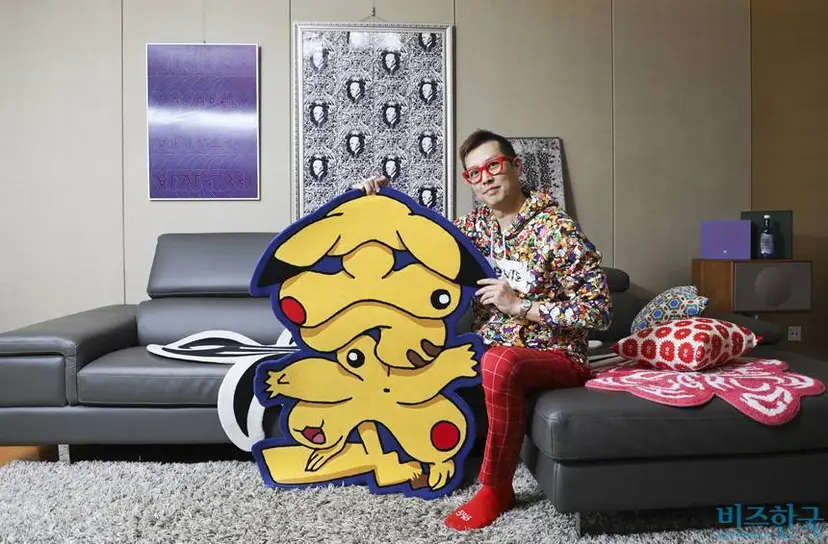
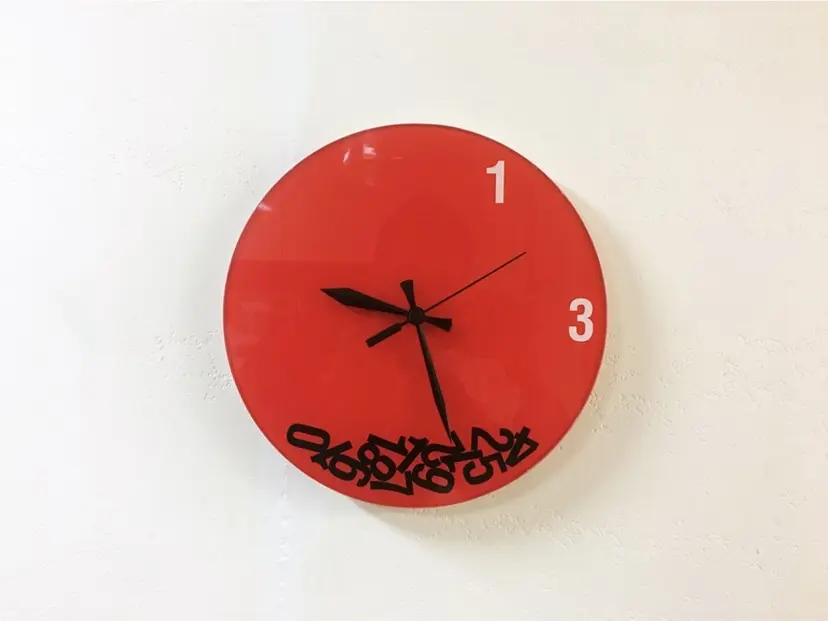
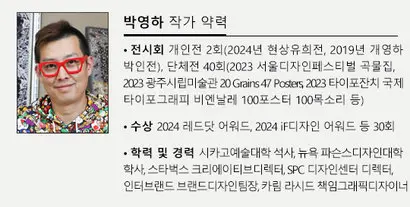
Park Young-ha, who has solidified his position in the design world, is an artist gaining attention amidst this trend. He is expanding the landscape of Korean modern art by adopting design language as a painting technique.
The artist incorporates modern decorativeness and everyday ideas using a patterned design language. His movement, which breaks down the boundaries between fine art and design, is emerging as an important coordinate for Korean modern art in that it creates a new art language for this era.