

[비즈한국] The craze for the Netflix variety show 'Culinary Class Wars' is extraordinary. It is a competition program where 100 chefs, ranging from hidden masters to top-tier star chefs, battle it out with their cooking skills. Every week, related 'memes' and 'clips' are generated, and the dishes presented by each chef become popular search terms for recipes. Countless follow-up videos featuring home cooks trying these recipes, as well as reaction videos from viewers watching the competition, are flooding the internet.
Thanks to this, the restaurant industry has been revitalized. Interest is so high that restaurant reservation platform servers have crashed, and portal site maps, such as Naver035420 Map, have algorithmically curated links to make it easy for users to find the chefs' restaurants along with other related dining spots. It is also expected that demand for planning gourmet tours in Korea through well-made content will increase.
In this column, I would like to examine cases in Europe where food and content have converged to create business opportunities. In particular, European startups that combine digital technology with the restaurant industry are leading the market with new business models. Beyond simple restaurant operations, they are focusing on innovating the consumer and restaurant experience by utilizing cutting-edge technology, such as virtual restaurants, customized delivery services, and AI-based food recommendation systems.
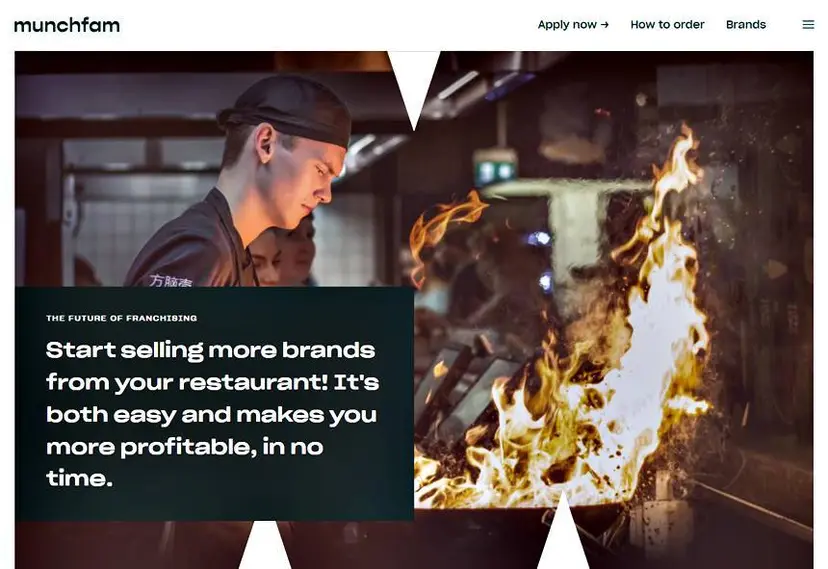
No Failure with a Munchfam Brand
Just because you cook well doesn't mean your restaurant will always be crowded and profitable. There are numerous factors that determine a restaurant's success or failure, including location, menu composition, and methods of operation and service. In 2020, a group of individuals who had successfully run restaurants and carefully analyzed the contributing factors teamed up in Finland to establish the innovative restaurant platform Munchfam.
Munchfam CEO Pertti Kallioinen founded the company based on the struggles he personally felt while operating a restaurant chain, aiming to create a service that helps restaurants survive and thrive. He co-founded it with Wei Zhou, Henri Auvinen, and Sauli Lehtovaara; their diverse backgrounds make for an advantageous combination for creating multinational food brands.
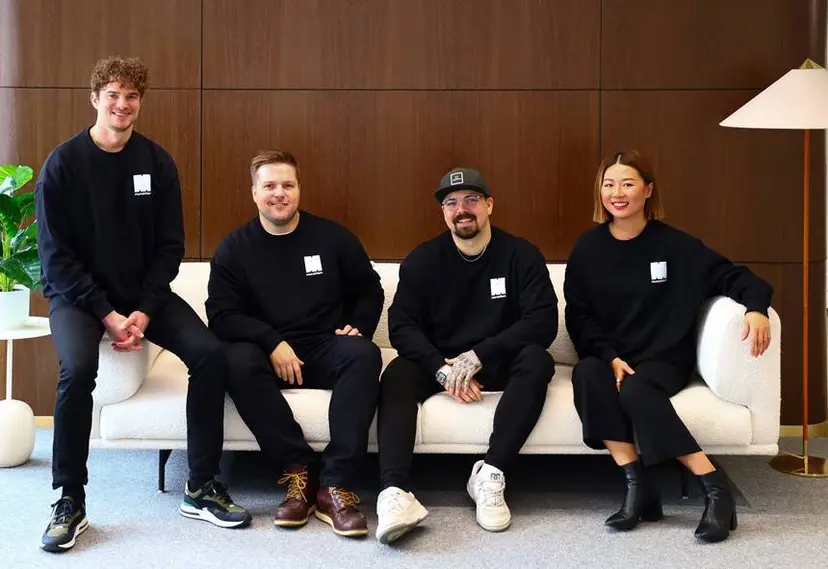
In particular, since most of the team members have experience running their own restaurant chains, their core strength lies in their deep understanding of the difficulties in restaurant management as customer ordering habits shift from offline to online.
They possess over 50 years of combined experience in the restaurant industry and service business development across Europe, Australia, and Silicon Valley. Munchfam currently collaborates with over 400 restaurants. By providing restaurants with a unique service platform that combines cutting-edge digital tools, plug-and-play brands, and high-quality ingredients, they help launch shop-in-shop brands and maximize efficiency and profitability across various sales channels, such as delivery and takeout.
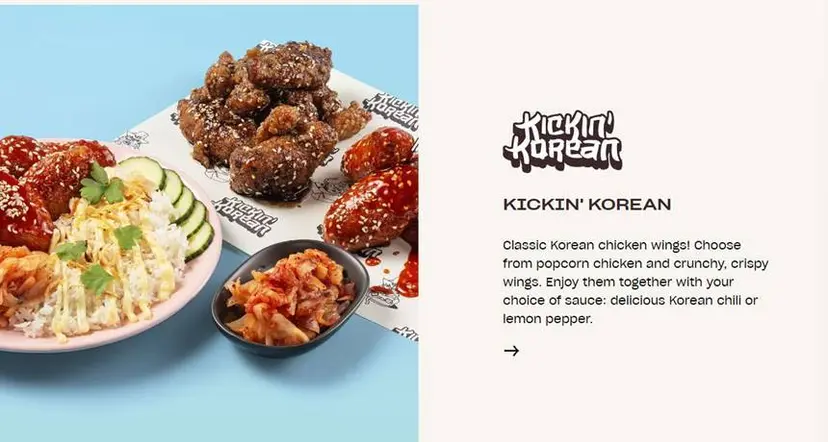
Munchfam owns a total of 12 brands, including four pizza brands, three chicken brands, as well as Thai, Chinese, Turkish, and Greek food brands. It is also interesting to note that among their three chicken brands, they include a Korean-style chicken brand called 'Kickin’ Korean'.
Currently, there are over one million restaurants in Europe. However, 60% of newly opened restaurants close within one year, and 80% close within five years. Amidst fierce competition and low profit margins, restaurants must constantly adapt and find new sources of revenue to survive. That is exactly the problem Munchfam aims to solve.
On October 10, Munchfam secured 6 million euros (approximately 8.6 billion won) in funding and is preparing to trigger new changes in the European restaurant industry. This investment round was led by Belgium's Pitchdrive and Greece's Genesis. It is safe to say they are capturing the attention of investors across Europe. These investors decided to back the company because they highly valued the potential change Munchfam could bring to the restaurant industry. It is also notable that Munchfam is growing with the support of former and current executives from Wolt, JustEat, Foodpanda, and Bolt.
With this investment, Munchfam plans to further expand its platform in its current markets: Finland, Germany, Denmark, and Sweden, and provide even more innovation to restaurants.
A Powerhouse in Türkiye, One of the World's Top 3 Gastronomy Nations: Paket Mutfak
Recently, the Turkish cloud kitchen software startup Paket Mutfak secured 2.7 million dollars (3.6 billion won) in funding. With this, Paket Mutfak has reached a cumulative total investment of 8.5 million dollars (11 billion won).
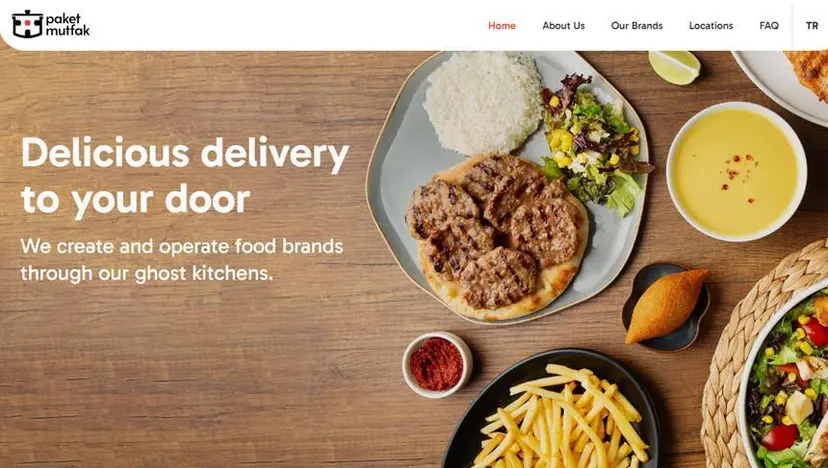
A cloud kitchen refers to a restaurant that operates exclusively for delivery, without a physical dining space. Often called a 'ghost kitchen' or 'dark kitchen,' it operates by preparing food for delivery via apps or online orders without hosting customers in a storefront.
Cloud kitchens have the advantage of being able to cook food from multiple brands in one location, and because they focus on delivery, they can reduce fixed costs (such as rent or interior design expenses). Moreover, being able to operate various brands in one space is efficient, and it is a model growing rapidly in the modern food industry where delivery services are central, which is why many food-related startups are paying attention to it.
Cloud kitchen startups like Paket Mutfak provide technical solutions to help with efficient operations in line with this delivery-centric food industry, aiming to expand alongside various food brands. Paket Mutfak currently has 15 locations across various neighborhoods in Istanbul, operates 10 food brands, and delivers approximately 130,000 meals every month.
With this investment, Paket Mutfak is targeting 100 locations, focusing on strengthening its technical infrastructure, expanding its network of branches, and improving the customer experience. They also plan to continue steady growth by expanding their product lines and focusing on new revenue streams.
Paket Mutfak was founded in 2019 by Tali Şalhon and Eytan Nahmiyas. From the early stages of its founding, they developed software to ensure smooth internal operations and are now strengthening investments in the technology sector through 'pack.ai,' an AI-based software that optimizes cloud kitchen operations. pack.ai aims to provide operators with in-depth insights into food delivery operations through data analysis, reducing the operational burden required for fast delivery.
Founder Tali Şalhon emphasized the importance of software several times, stating, "We believe software plays a critical role in getting food brands to the top of ordering platforms, so we will further expand the scope of technology utilization in the cloud kitchen business through pack.ai."

Delivery platform startups like Getir and Germany's 10-minute delivery startup Gorillas were representative unicorn startups in Europe that originated in Türkiye. It is highly anticipated how Paket Mutfak, a cloud kitchen startup from Türkiye—the home of delivery—will grow in the future.
Like this, Europe and its startups are changing the market with innovative services combined with digital technology. Munchfam and Paket Mutfak are leading new trends in the restaurant industry in Europe and Türkiye, respectively, introducing technical solutions to maximize restaurant operational efficiency and provide better experiences to customers. Their success is not merely redefining the future of the restaurant industry; it is contributing to fundamentally changing traditional restaurant operating methods.
Moving forward, restaurant startups across Europe will continue to develop with innovative business models that combine technology with consumer demands. These changes, which benefit both restaurants and customers, will help the food service industry achieve sustainable success in the rapidly growing global economy. In particular, new operating methods like cloud kitchens are expected to allow more restaurants to adapt to the market flexibly and efficiently, creating even more diverse opportunities in the process.
The author, Eunseo Lee, majored in Law in Korea and studied Theater in Berlin. Based in Berlin, a city of arts and a hub for European startups, she leads 123factory, which connects the startup ecosystems of Korea and Germany while growing alongside the city.