

[비즈한국] As the settlement delay crisis at TMON and WeMakePrice (TMON-WeMakePrice) continues to send shockwaves through the domestic e-commerce market, the government has stepped in to provide financial aid to affected companies as an emergency measure. Recently, the government included companies affected by the sudden closure of Allets, another e-commerce platform that ceased operations after failing to pay its vendors. With Allets, which caused approximately 17 billion won in damages, now included in the support program, attention is focused on whether this financial aid will expand to include vendors affected by smaller platforms.
Financial Aid Extended to Companies Affected by '17 Billion Won Unpaid' Allets
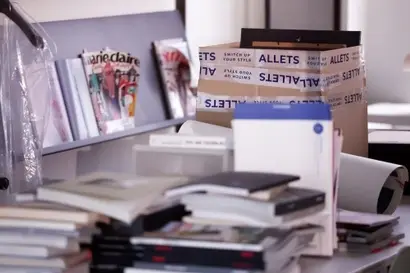
Starting October 4, the government began offering financial support to vendors who had not received settlement payments from Allets. Allets, an online shopping mall primarily selling furniture and appliances, abruptly announced its closure on August 16, stating it would cease operations as of August 31. Some consumers were left without refunds after paying for products, and vendors who had not been paid their settlement dues bore the brunt of the damages.
This financial support program is available to affected businesses that recorded revenue after July and have no records of insolvency, such as overdue principal and interest or business closure. However, companies that fell into arrears following the Allets settlement delay are exempt from this requirement. Affected businesses can benefit from a maturity extension and repayment deferral of up to one year for existing loans and guarantees. Additionally, through liquidity support programs, companies can secure loans from the Small Enterprise and Market Service (maximum limit of 150 million won), the Korea SMEs and Startups Agency (1 billion won), and the Industrial Bank of Korea024110 or the Korea Credit Guarantee Fund (3 billion won).
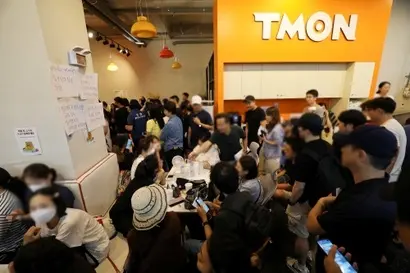
Since August, the government has been providing financial support to vendors hit by settlement delays at Qoo10 affiliates, including TMON, WeMakePrice, Interpark Shopping, and AK Mall. Together with local governments, a support package budget worth 1.6 trillion won was established. According to the Financial Services Commission and the Ministry of SMEs and Startups, as of September 26, maturity extensions and repayment deferrals had been applied to approximately 170 billion won in loans within the financial sector, and about 193 billion won in liquidity support had been executed by policy finance institutions.
The decision to support Allets-affected companies is notable due to the difference in the scale of damage compared to the TMON-WeMakePrice crisis. According to an investigation by the Financial Supervisory Service, the unpaid settlement amount for TMON and WeMakePrice reached 1.3 trillion won, affecting approximately 48,000 vendors. In contrast, the unpaid amount for the smaller e-commerce platform Allets is relatively lower, at approximately 17 billion won.
With companies affected by Allets—previously expected to be difficult to rescue—now included in the support program, attention is shifting to whether the scope of relief will extend to other small to mid-sized e-commerce platforms. Small and mid-sized e-commerce companies that closed around the time of the TMON-WeMakePrice crisis include: the design product mall Babosarang (operated by Webiz); design mall 1300K, lifestyle mall 1200m, select shop Sokoop, and enterprise mall We2MRO (operated by NHN181710 We2); group-buying platform Saja Market (operated by Buzzni); and fashion platform Hanstyle (operated by Leeahn).
Among these, it is known that the NHN We2 affiliated malls and Saja Market do not have outstanding settlement issues. A representative from a company affected by Babosarang, which closed in late June after a "run-and-gun" exit, lamented, "Perhaps because it didn't generate as much media attention, we are not included in the government's support criteria. We are the same victims of unpaid settlements, and I wish we were provided with loan support."
Lack of Clear Criteria for Financial Aid... Relief for Small Platform Victims Difficult
The government is monitoring the market while tracking closed companies to prepare for a potential chain of bankruptcies among small and mid-sized e-commerce businesses triggered by the TMON-WeMakePrice aftermath. In the case of Allets, it is reported that they were included in the support program because they closed immediately after the TMON-WeMakePrice crisis and data related to the damages was quickly secured through on-site investigations by the Fair Trade Commission.
A Ministry of Economy and Finance official stated, "Allets is currently the largest affected company we have identified, and we have determined that other cases are not of a sufficient scale to warrant support. This was a proactive measure taken after investigating and determining the necessity for aid."
According to the explanation from relevant departments, there are no specific criteria or regulations that determine eligibility for financial support. Support is considered if the executing agency has surplus budget or if the Fair Trade Commission or Financial Supervisory Service has conducted investigations. The aforementioned official explained, "If there is surplus in the support funds, we are considering providing liquidity to the maximum extent possible, and implementation is possible when detailed data is secured through on-site inspections."
As a result, vendors affected by small-scale platforms that closed before the TMON-WeMakePrice crisis or where the situation is difficult to grasp are effectively unlikely to receive financial aid. A government official noted, "Realistically, it is impossible to support every affected vendor from all closed platforms. It is also difficult to set rigid criteria for eligibility. I understand that in the case of Allets, an agreement was reached among some ministries to support small and mid-sized e-commerce companies because they had surplus funds." A financial authority official also responded, "Even for companies that need support, it is realistically difficult to conduct investigations or provide assistance to small, micro-sized firms that do not operate systematically."
Political circles point out that the government needs to provide support that aligns with reality. According to the office of Democratic Party Representative Kim Won-yi, as of September 30, 16.2% of loan support had been executed by the Small Enterprise and Market Service, and 81.6% by the Korea SMEs and Startups Agency. Representative Kim stated, "We need to prepare realistic measures, such as additional interest rate cuts that reflect the voices of micro-entrepreneurs, and check whether small and medium-sized enterprises with significant damages are receiving sufficient support." Representative Kim Dong-ah of the Democratic Party also emphasized, "We must implement practical financial support that does not discriminate by industry type."