

[비즈한국] Last year, one in three cancer patients received surgery at medical institutions located in Seoul. Looking at the results of the 'Cancer Adequacy Assessment' conducted by the Health Insurance Review and Assessment Service (HIRA), the medical standards of local hospitals are not significantly different from those in the capital region. What is the reason patients travel to Seoul for treatment despite the burden of transportation and accommodation costs? We listened to the voices of patient advocacy groups regarding how cancer patients choose their hospitals and whether the government's announced 'specialist referral system' can resolve this concentration of patients.
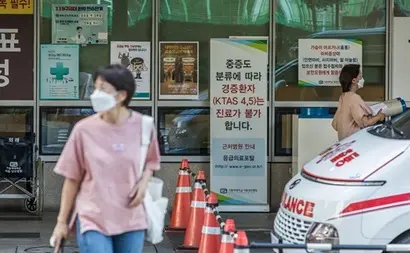
HIRA assessment results: 1st-grade hospitals are most concentrated in Seoul... No region has 'zero'
Even recently, cancer patients continue to choose out-of-town treatment. According to data received by Rep. Park Hee-seung of the Democratic Party of Korea from the National Health Insurance Service, one in three cancer patients living in provincial areas underwent surgery at medical institutions in Seoul. Last year, the number of patients who underwent cancer surgery in 17 cities and provinces nationwide was 301,644, and among the 248,713 cancer patients residing outside of Seoul, 81,889 (32.9%) received surgery in Seoul. In the case of Seoul, the rate of cancer patients receiving surgery in their area of residence (self-sufficiency rate) was 93.4%, whereas it was 48.9% for regions outside Seoul. The region with the lowest self-sufficiency rate was North Gyeongsang Province, at 13.2%.
Patients prefer tertiary general hospitals in the capital region for reasons such as "expertise." We examined the results of HIRA’s 'Cancer Adequacy Assessment' to see the situation at local hospitals. This assessment, conducted for patients aged 18 and older who received surgery, chemotherapy, or radiation therapy, uses indicators such as the composition of specialized personnel, the accuracy of surgery-related records, and the length of stay and mortality rates. Hospitals are categorized into grades 1 through 5, with grade 1 awarded to those with an overall score of 95 or higher. Hospitals with fewer than 10 total cases evaluated are excluded from the grading. The assessment is conducted for patients with major cancers: colorectal, stomach, breast, and lung cancer.
Assessment results showed that the number of grade 1 medical institutions was highest in Seoul, followed by the Gyeonggi region and the Gyeongsang region. Seoul accounted for 30% of grade 1 medical institutions across all cancer types, while the Gyeonggi and Gyeongsang regions were in the 20% range. Combined, the four lower regions—Chungcheong, Jeolla, Gangwon, and Jeju—did not reach the number found in Seoul. However, there were no regions where the number of grade 1 medical institutions was zero. By hospital type, larger hospitals were more likely to receive grade 1, but for some cancers, general hospitals or smaller hospital-level institutions received grade 1, or sometimes higher grades than tertiary general hospitals. Additionally, cases were identified where general hospitals received grades 4 or 5.
“Specialist referral system must be initiated by primary physicians who have monitored patients for a long time to be effective”
Why do patients travel to Seoul even when there are conditions for cancer treatment in their local areas? Patients explain that due to the nature of cancer, they have no choice but to seek hospitals with many "cases." Kim Sung-ju, head of the Korea Serious Disease Alliance, explained, "For other illnesses, there are methods other than surgery, such as medication, but that is not the case for cancer, so one must choose a hospital with many surgical cases. Furthermore, when resistance develops during treatment or if the situation becomes difficult to treat further, patients have no choice but to go to 'Big 5' hospitals that are assigned many clinical trials. Patients also tell pharmaceutical company representatives whenever they meet that clinical trials need to be expanded to provincial areas."
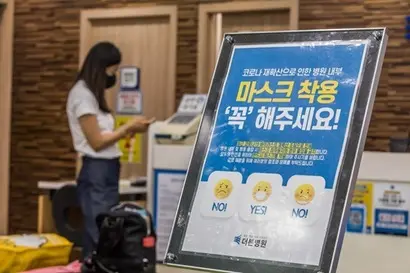
Cancer patients mainly look for medical staff introduced as 'master doctors' in the media and obtain information from close acquaintances or other cancer survivors. The final destination for many ends up being a tertiary general hospital in the capital region. Although hospitals tout their HIRA grades, patient advocacy groups argue that the assessment indicators need improvement. Kim Sung-ju stated, "Patient voices are not well reflected in hospital assessments. We need to hear why patients are going all the way to Seoul, but until recently, there has been no consultation or feedback collection regarding this. As cases of receiving treatment at local secondary hospitals have increased after the medical crisis, we need to conduct surveys targeting them."
On the 27th of last month, the government announced a plan to support the structural reform of tertiary general hospitals and stated it would introduce a 'specialist referral system' to strengthen cooperation between tertiary general hospitals and other medical institutions within their regions. Previously, patients would visit medical institutions directly based on referral letters, leading to a concentration in tertiary general hospitals in the capital region. The specialist referral system allows doctors at clinics or smaller hospitals to directly book appointments at regional general hospitals, enabling patients to receive treatment via a fast-track process at those hospitals. Doctors participating in the specialist referral system are provided with fee compensation. A system where local clinics directly choose the higher-level medical institution has been suggested within and outside the medical community as a solution to the 'Big 5' concentration phenomenon.
Patient groups say that a 'primary physician system' is needed before introducing the specialist referral system. They argue that if the medical staff has not observed the patient for a long time, the specialist referral system may not be effective. Kim Sung-ju added, "I believe the primary physician system needs to take root in local areas first. It can be difficult to know where to transfer a patient or if a transfer would even be meaningful after seeing them for only a short time. A method of seeing a patient a few times briefly and then sending them away is not appropriate. While the plan to make tertiary general hospitals specialist-centered is desirable, I am concerned whether the specialist workforce will end up being drained from secondary hospitals in the provinces."