

[비즈한국] Small and medium-sized defense companies with superior technical capabilities are finding it difficult to enter the defense market due to the 'weapon system proposal evaluation criteria.' This is because the evaluation standards are structured to favor large corporations, despite these smaller firms holding patented technologies.
Experts have suggested that for the defense ecosystem to become healthy, the current weapon system proposal evaluation criteria must be reformed, and the participation of large corporations should be restricted in projects with budgets under 10 billion won, such as information and communication systems.
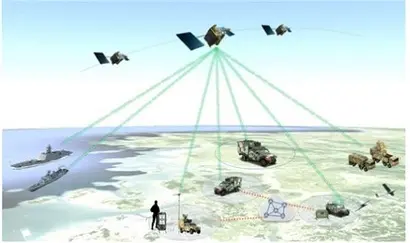
Company A, recognized for its advanced wireless network technology necessary to implement manned-unmanned teaming systems, recently faced a bitter defeat after being pushed out by a large conglomerate in a project bidding competition.
Company A had originally planned a technology-based project and proposed it to the military as a rapid research and development project for the first time. Aside from Company A, no other domestic firm had practically commercialized this technology; however, as information was disclosed during the promotion process, large corporations jumped in. Ultimately, Company A was eliminated from the project selection. In a subsequent project bid, they failed to win the contract, scoring more than 8 points lower than two large competitors in the proposal evaluation.
Company A received a score of less than 80% in the technical evaluation, failing to even make the list of companies eligible for negotiations. The company asked why its technical prowess—having even delivered actual products—was evaluated lower than that of firms that only presented potential for research and development. However, the only response they received was that technical evaluation is the "prerogative of the evaluation committee." Currently, Company A is highly regarded overseas and is fiercely competing for contracts with advanced nations.
Industry insiders say that due to the weapon system proposal evaluation criteria, small and medium-sized enterprises (SMEs) cannot compete with large corporations. An industry official explained, "Out of 24 items in the technical capability evaluation of proposals, 11 are disadvantageous to SMEs. It is a structure where even a 0.5-point difference per item inevitably leads to falling 5.5 points behind." Given that bid results often change by decimal points, a 5.5-point gap is fatal.
In reality, SMEs lack the personnel to prepare proposals, making it difficult to compete with large firms. An SME official explained, "Large corporations have many administrative staff in addition to personnel involved in development or mass production. Even though SMEs hold patented technology, large companies' proposals look more impressive. Large companies fill them with plenty of project performance records, even if they are unrelated, and polish their proposals well. It seems the judges value those aspects highly."
Currently, the proposal evaluation method consists of three parts: technical capability evaluation (80 points), cost evaluation (20 points), and plus/minus point assessments. It is known that when evaluating technical capabilities, there are many qualitative items based on company size rather than the actual development and production capabilities of the finished product, which works to the advantage of large corporations.
SME officials also argued that the judges are conducting qualitative evaluations that favor large corporations rather than quantitative ones. The Defense Acquisition Program Administration (DAPA) is also reportedly sympathetic to the need to improve the proposal evaluation method.
Experts emphasized that the current weapon system proposal evaluation criteria should be shifted to a 'technology'-centered quantitative evaluation. A professor of defense studies explained, "Among the evaluation items, the weighting for key technologies required for the product and the product development plan must be increased. DAPA should also actively adopt systems from ministries such as the Ministry of Trade, Industry and Energy and the Ministry of SMEs and Startups designed to protect small and medium-sized firms. It is necessary to restrict the participation of large corporations in projects worth less than 10 billion won."
In fact, the Software Industry Promotion Act restricts IT service companies (large corporations) belonging to large business groups subject to cross-shareholding limitations from participating in public projects, thereby supporting the growth of small and medium-sized enterprises.