

[비즈한국] On September 17, the German government, together with the business community, associations, policymakers, and the KfW (Kreditanstalt für Wiederaufbau), officially launched the ‘WIN Initiative’ (Initiative for Growth and Innovation Capital). This is a comprehensive support program designed to assist startups and innovative companies within Germany and strengthen the venture capital ecosystem. The initiative plans to invest approximately 12 billion euros (17 trillion won) by 2030 to improve the environment for growth and the procurement of innovation capital for German startups.
Compared to France, which has been dynamically fostering its startup scene by advocating for a "Startup Nation" since President Macron took office, Germany has traditionally been relatively quiet and understated in its startup support. However, with the public announcement of the WIN Initiative, which aims to propel Germany into a true "startup nation," there is significant anticipation surrounding the project.
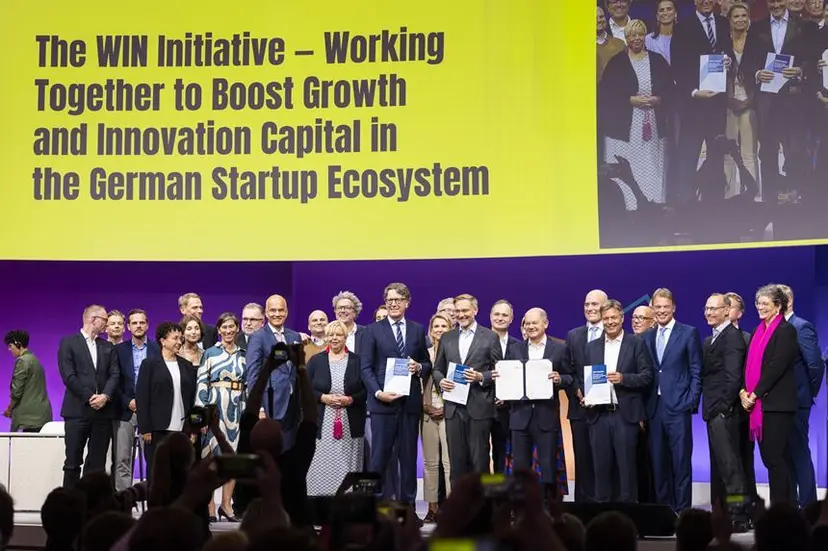
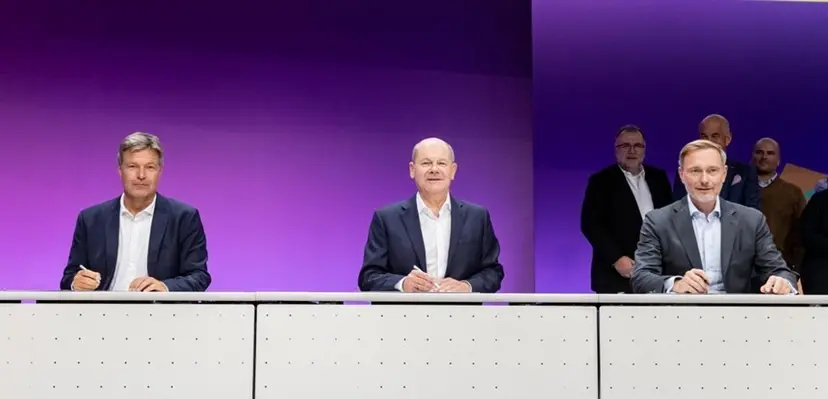
The WIN Initiative was started at the suggestion of German Finance Minister Christian Lindner, with the participation of Chancellor Olaf Scholz and Minister for Economic Affairs and Climate Action Robert Habeck. KfW will serve as the core institution in this project, acting as the coordinator for major initiatives and collaborating with key players in the finance and startup ecosystems to provide practical support.
German Chancellor Olaf Scholz emphasized the importance of startups and innovative technologies, stating, “The WIN Initiative will be a significant boost for German startups and the economy as a whole. We will revitalize private investment and strengthen the innovation and venture capital markets.” Finance Minister Lindner also noted, “Attracting private capital is essential for economic transformation, and our goal is to create an environment that fosters sustainable growth and innovation.”
Strengthening Collaboration within the Startup Ecosystem and Supporting Investors
The German venture capital market has grown rapidly over the last decade. The transaction volume, which was approximately 1.5 billion euros (2 trillion won) in 2013, grew to 18.6 billion euros (27 trillion won) by 2021. Although it contracted to 7.1 billion euros (10 trillion won) in 2023 due to the aftermath of the COVID-19 pandemic and the Russia-Ukraine war, this was a global trend and not unique to Germany. The WIN Initiative plans to reverse this downward trend and strengthen multi-faceted support so that Germany can establish itself as a global innovation hub.
In particular, it plans to strengthen cooperation between universities, investors, and companies, and explore various financing methods to support new technologies. It also aims to focus on improving the environment for startup IPOs and investments, while relaxing unnecessary regulations. Alongside this, the business community and the government have promised continuous support for innovative companies in Germany, and KfW will evaluate the performance of the initiative every year.
A distinctive feature of the WIN Initiative is that it is not merely a government policy announcement. It has formed a true "initiative" group through partnerships with major corporations and key institutions that actually drive the German economy, allowing the ecosystem to develop in a practical way.
Oliver Bäte, CEO of the global insurance firm Allianz, who participated in the WIN Initiative, stated, “Venture capital promotes the entrepreneurial spirit that will drive the transformation of our economic structure.” He added, “Investment in startups is crucial to strengthening Germany’s competitiveness through innovative, climate-friendly technologies and digitalization. Allianz is already actively investing in growth and innovation capital, and I hope other companies will join us.”

Irina Buchmann, CFO of AXA Germany, expressed her commitment, saying, “We see the future as an opportunity, not a risk. Funding is necessary so that courageous entrepreneurs can realize their innovative ideas. AXA Germany will actively participate in the government’s growth initiative to create a better environment for innovative companies.”
In addition, BlackRock Germany, the multinational investment firm, and major German banks such as Deutsche Bank and Commerzbank are also participating in the WIN Initiative.
Axel Uttenreuther, Chairman of the Board of the Bayerische Versorgungskammer, who is participating in this initiative, announced his commitment to the growth of the German VC ecosystem, stating, “Diversification is an essential element to meet long-term pension obligations, and we already included venture capital in our portfolio in 2007. We will continue to expand our European venture capital investments going forward.”
Recognizing that 'Startups Must Grow for the German Economy to Grow'
The WIN Initiative was launched to address the problem of a lack of growth capital for startups in Germany. Its primary goal is to secure sufficient capital so that German startups, which face a funding shortfall of over 30 billion euros (44 trillion won) annually, can successfully scale up. The German government’s analysis is that Germany currently lags behind leading countries like the US and the UK in terms of growth capital, which is hindering the country's innovation capacity and economic growth.
To this end, the WIN Initiative intends to expand startup funding in a sustainable manner according to market principles. There are two main strategies to promote capital mobilization. The first is an initial capital commitment, and the second is a package of 10 key measures to improve and expand access to capital.
To activate this, participants from the business community, associations, and the government have signed the WIN declaration, promising financial contributions and structural support. The pledges from companies participating in the WIN Initiative include direct investment, additional financial support, and structural measures.
First, this involves direct investment in startups, scale-ups, and FOAK (First-of-a-Kind) technologies, including the construction of the first pilot plants to develop new technologies. Second, it includes structural measures such as providing infrastructure for startups and developing new investment tools.
The 10 key measures of the WIN Initiative are as follows: First, expand cooperation between universities, companies, and investors through programs like "startup factories" to support innovative startups. Second, provide new investment opportunities for various groups of private investors to expand the investor base for growth and innovation capital. Third, strengthen the structure of small investment funds to diversify investment risks and increase liquidity. Fourth, mobilize public and private capital to help young companies in the cleantech sector scale industrial production. Fifth, convey professional knowledge about growth and innovation capital to investors and strengthen related training programs. Sixth, promote investment in innovative startups through public funding funds. Seventh, improve IPO/exit conditions and relax regulations so that startups can raise capital through public listings. Eighth, prepare measures to activate the secondary market to increase venture capital investment liquidity. Ninth, strengthen tax benefits for investment funds to encourage startup investment. Tenth, relax investment regulations so that small insurance companies and pension institutions can take on more risk.
Why should Korean startups and investors pay attention to Germany's WIN Initiative? The WIN Initiative helps the German startup ecosystem attract more international capital. This opens up possibilities for Korean startups to utilize opportunities from the WIN Initiative to attract investment and seek partnerships as they enter overseas markets like Germany. Especially in the current environment where the mantra is "Go Global," not only Korean startups but also VCs can explore investment opportunities in the German startup ecosystem.
The author, Eunseo Lee, majored in law in Korea and studied theater in Berlin. Based in Berlin, a city of art and a European startup hub, she leads 123factory, which connects the Korean and German startup ecosystems while growing alongside the city.