

[비즈한국] From getting bitten by snakes while visiting ancestral graves to suffering burns while pan-frying jeon, unexpected emergencies frequently occur during the Chuseok holiday. In fact, emergency room visits nearly double during the holidays. However, this Chuseok, access to emergency rooms is expected to be difficult due to the medical gaps that have accumulated since the collective resignation of medical residents. With home first aid and finding appropriate hospitals becoming more important than ever, we introduce some lesser-known but useful services, such as the Emergency Medical Portal (E-Gen)’s situation-specific first aid guides, information on partner hospitals by cancer type, and the 119 emergency medical consultation service.
Bitten by a snake or stung by a bee? Use the Emergency Medical Portal’s ‘First Aid by Situation’
Emergency room visits typically increase during the holidays. According to data from the Ministry of Health and Welfare, there were approximately 90,000 emergency medical center visits during the 2022 Chuseok holiday, averaging about 23,000 per day. Usage was highest on the day of the holiday and the following day, with the daily average number of patient visits increasing to 1.9 times that of weekdays and 1.5 times that of weekends compared to normal periods. Frequently occurring conditions included minor injuries, sprains, colds, and hives. Compared to the annual average, the three days around Chuseok saw increases of 2.9 times for colds, 2.9 times for hives, and 2 times for enteritis. Accidents resulting in hospital visits also rose: burns increased 3 times, penetrating wounds 2.4 times, and traffic accidents 1.5 times.
The government recommends checking and using nearby clinics or public health centers that remain open, as visiting an emergency room for minor illnesses can lead to higher medical costs and longer wait times. According to the government on the 12th, approximately 8,000 clinics and hospitals are expected to be open on average per day during this Chuseok holiday, which is more than double the number seen during the previous Lunar New Year holiday. Information on these medical facilities can be found on the Central Emergency Medical Center’s ‘Emergency Medical Portal (E-Gen)’. On the portal, you can search for medical facilities currently operating, as well as pharmacy information. You can search by institution name or view them on a map. You can also check the medical departments and operating hours of clinics and hospitals.
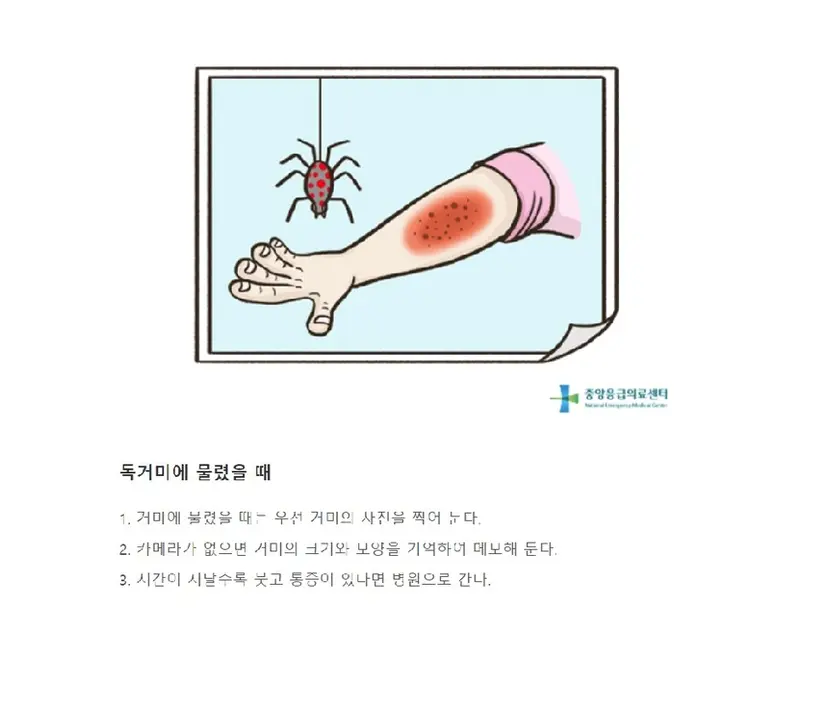
What if you cannot visit a medical facility? You can refer to first aid methods professionally compiled by the Central Emergency Medical Center. On the Emergency Medical Portal, you can find basic first aid instructions such as CPR, how to use an Automated External Defibrillator (AED), airway obstruction treatment, and how to use dressings and bandages. You can also look up specific first aid methods for various situations. These include treatments for when you are bitten by animals or insects, when foreign objects get into your eyes, nose, or ears, cases of toxic substance poisoning, and injuries caused by heat or cold, such as heatstroke or burns. Additionally, the portal provides treatments for critical diseases like acute myocardial infarction, angina, and stroke, as well as other emergency situations like abdominal pain, shock, and bleeding.
If you have children at home, you can check for ‘Moonlight Children’s Hospitals’ on the Emergency Medical Portal, which offer treatment even on holidays. Moonlight Children’s Hospitals have the advantage of shorter wait times and lower costs compared to emergency rooms, and they help prevent children from feeling fearful due to critically ill patients in emergency rooms. If you are a cancer patient and an emergency arises, you can also check the list of cancer treatment partner hospitals on the portal. By selecting your desired region and one of the five cancers (colorectal, stomach, breast, lung, liver, or blood cancer), you can find a list of available hospitals and the supportive treatments (chemotherapy, radiation therapy, cancer surgery, etc.) offered by each hospital. Furthermore, the portal allows you to search for the locations of emergency rooms and AEDs, as well as information on private ambulances.
119 Emergency Medical Consultation Service, 24-hour medical guidance from emergency medicine specialists
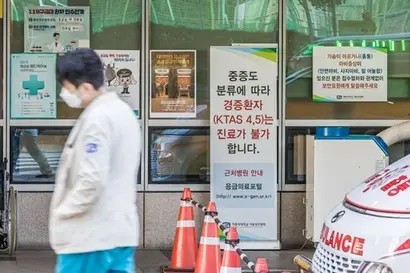
Due to labor shortages, major large hospitals, including the 'Big 5', are facing disruptions in outpatient care as well as emergency room operations. A survey of training hospitals conducted by the Korean Association of Medical College Deans from the 9th to the 10th of this month found that the number of doctors working in the emergency rooms of 53 training hospitals decreased by 42.1%, from 922 last year to 388 this year, while the number of residents dropped by 91.4%, from 384 to 33. Eleven hospitals reported that their emergency room doctor staffing had fallen by more than 60%. In particular, 7 hospitals had 5 or fewer doctors, making it impossible to operate their emergency rooms 24 hours a day and necessitating consideration of partial closures.
You can check the status of these constantly changing hospital situations using the ‘Integrated Emergency Medical Information Intranet Comprehensive Situation Board’. The situation board is updated every hour, providing insights into emergency room and hospital bed status. You can also check messages from individual hospitals to see which departments are currently unable to provide treatment and for which diseases they are not accepting new patients. As of the morning of the 12th, one hospital posted emergency room messages such as ‘Treatment unavailable due to absence of ENT and dermatology specialists,’ ‘Plastic surgery treatment unavailable for facial trauma, facial fractures, and laceration suturing due to absence of medical staff,’ and ‘CRRT unavailable from 10 PM to 9 AM the next day, and DI treatment unavailable due to absence of psychiatric staff.’
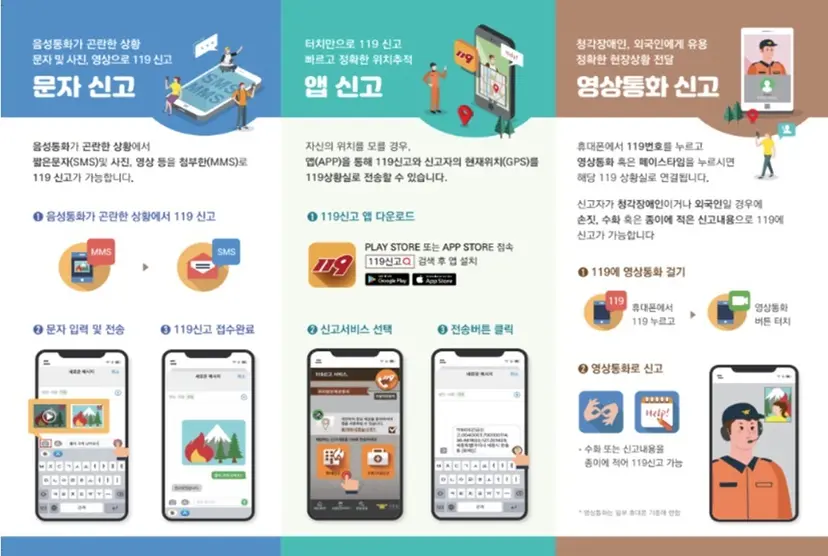
If you need help from professional medical staff, you can use the ‘119 Emergency Medical Consultation Service’. The 119 Emergency Medical Situation Management Center provides consultation services 24/7, 365 days a year, including disease consultations, first aid guidance, medical guidance, hospital transfer information, hospital transfer coordination, and information on clinics and pharmacies. Those seeking medical guidance can consult with an emergency medicine specialist. There is also a service for overseas Koreans in some countries. Although public awareness is still low, the number of users is increasing every year. In addition to phone calls, 119 reports can also be made via text message, application, or video call.
Meanwhile, the government held a meeting of the Central Disaster and Safety Countermeasures Headquarters regarding collective action by doctors, presided over by Prime Minister Han Duck-soo that morning, to discuss measures to maintain the emergency medical system during the Chuseok holiday. The government announced that during the emergency response week for the Chuseok holiday, which lasts until the 25th, an average of 8,000 clinics and hospitals will be open daily, and approximately 150 maternity hospitals will also be in operation. To minimize the concentration of patients in emergency rooms, the medical consultation fee for regional emergency centers will be raised to 3.5 times the usual rate, and fees for surgeries, treatments, and anesthesia performed after emergency room visits will also be increased. The government will also provide labor cost support for new hires at emergency medical centers and maximize the deployment of substitute personnel, such as military medical officers and Physician Assistant (PA) nurses.