

[비즈한국] The government has announced plans to designate and operate fever clinics at public hospitals, such as local medical centers, and private clinics to reduce the number of patients with mild symptoms visiting emergency rooms. A fever clinic is a concept that combines screening stations and respiratory clinics, and the government anticipates that these clinics will help reduce congestion in emergency rooms during nights and weekends. However, as local medical centers and other institutions have not yet been proactive, concerns are growing that the government may struggle to have these fever clinics operational before the Chuseok holiday.
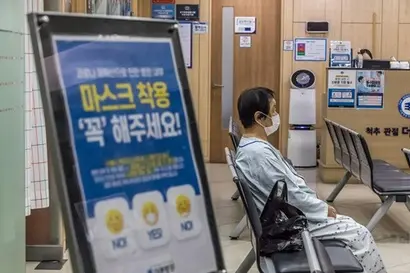
Minimal Participation from Medical Centers for Fever Clinics
As of the 26th, only three local medical centers—Gangneung, Yeongwol, and Wonju Medical Centers—have confirmed they will operate fever clinics. The competent local government, Gangwon Province, announced its COVID-19 response plan on the 23rd, designating these three centers as COVID-19 treatment cooperation hospitals to operate fever clinics during nights and weekends. Since then, no other facilities have expressed an intention to operate them. One medical center stated that it does not plan to operate a fever clinic because emergency medical care and COVID-19 patient treatment are already separated. They explained that since COVID-19 testing and treatment are already being conducted in a space separate from the emergency room, there is no reason to duplicate the workflow.
An official from Medical Center A stated, "We received a proposal from the city last week, but we ultimately decided not to participate. At the time, detailed guidelines had not yet been released, and we finalized our decision this week. While the government says it aims to prepare for emergency room congestion, in our hospital, patients with COVID-19 symptoms are already being treated separately in a designated fever patient area. We are already performing the role of a fever clinic in the emergency room, such as by conducting temperature checks, so we currently have no plans for additional operations."
Will Local Clinics Be the "Relief Pitchers" for Emergency Rooms?
The situation is similar for private clinics. According to the medical community, there have been no requests for cooperation from local governments or the government so far. Furthermore, local doctors explain that it is difficult for clinics to operate additional fever clinics during nights and weekends on top of their regular morning and afternoon hours. Park Geun-tae, Chairman of the Korean Medical Association, pointed out, "Even now, clinics that operate at night and on weekends are overwhelmed with patients. If COVID-19 spreads in earnest, how many people will flock to these fever clinics? I think participation will only happen if there is an official announcement regarding medical fees, similar to the policies applied to the respiratory clinics that operated previously."
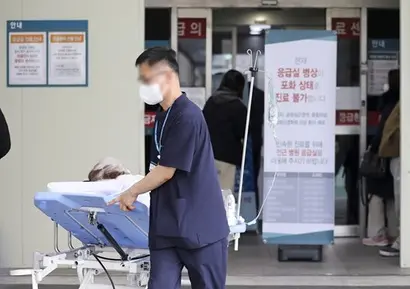
Chairman Park said, "At the time, COVID-19 was a Class 1 infectious disease, and respiratory clinics were established because it was necessary to separate patient flow. Now, patients can take Tylenol at home instead of going to the emergency room, so I am not sure if operating these fever clinics is the right move." He added, "A fever can be caused by gastroenteritis, COVID-19, or various other reasons. If we encourage patients to judge for themselves and seek out fever clinics instead of emergency rooms, it could cause even greater confusion."
Some observers suggest that hospitals already suffering from deficits after serving as COVID-19 designated hospitals will find it difficult to help the government again. A medical community insider said, "Hospitals that recently treated COVID-19 patients are suffering from financial difficulties. Health authorities are requesting data, claiming that 'too many medical fees were paid out.' Although they were told back then that simple code registration would suffice, they are now saying, 'We will not recognize it without charts.' Given that they were receiving 100 to 200 patients at a time and checking temperatures, how could they have recorded every single chart? They keep demanding explanations and mentioning payment reductions; I don't think these hospital directors want to participate in government projects again."