

[비즈한국] While modern cameras, from smartphones to professional gear, generally use digital sensors, enthusiasts who love the unique aesthetic of film and the process of developing and printing continue their hobby by sharing tips even as infrastructure declines.
There is exciting news for these individuals. Japan’s Pentax has recently released a new film camera, developed specifically for analog enthusiasts for the first time in 21 years. Named "17," the model uses a 17mm x 24mm frame—half the size of the standard 36mm x 24mm film—allowing users to take 72 photos on a single 36-exposure roll. The name signifies this "half-frame" approach to the 35mm format.
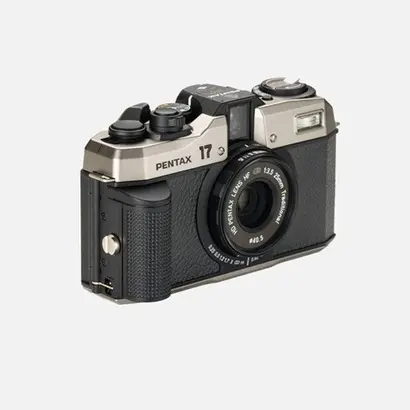
Decades after most popular models were discontinued, there are almost no new film cameras available for purchase, with the exception of high-end products like the Leica M6. While the steady-selling Nikon FM10 features a plastic, budget-looking exterior, the Pentax 17 is a "true" new film camera body developed with deep consideration for the significance and usability of film photography in the 21st century. It uses a fixed 25mm F3.5 prime lens and features an automatic exposure mode to assist beginners. It is reported that Pentax sought out retired skilled workers and expanded a dedicated production line to revive this lost tradition.
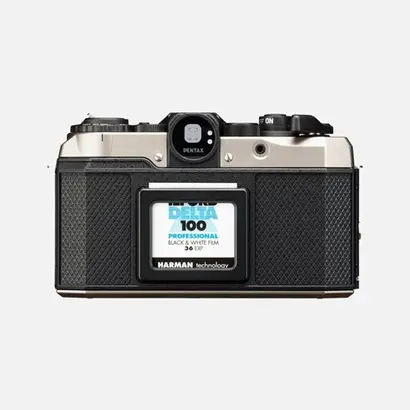
A look at the design of the Pentax 17 reveals the careful effort made to bridge the past and present. Now, more than 20 years into the digital-dominant era, it is designed to allow users with no prior film experience to enjoy manual controls and analog charm. The retro design direction is evident in its sharp-edged metal body and color combination. It also includes a manual film-winding lever—an essential component of traditional film cameras—retaining the film-advancement process as a key element of the fun. The film-rewinding lever and the surrounding ISO selection knob maintain their vintage aesthetic. On the back, there is a small plastic frame designed to hold the end of a film box, allowing users to label the type of film inside—a detail that further stirs nostalgia. The optical viewfinder in the center is noted for being large and bright, and the camera uses a zone-focusing system, allowing users to adjust focus easily by estimating the distance to the subject.
While the Pentax 17 possesses many features that appeal to the public, its biggest drawback lies outside the product itself. While some argue that the official retail price of 800,000 KRW is reasonable, it can be a burden for those who already use digital cameras and are looking to enjoy film photography on the side. To move beyond a mere trend and establish itself long-term, a price reduction seems necessary. Furthermore, the rising cost of development and printing due to the decline of the film industry is another hurdle. Ultimately, mass production through the revitalization of the industry as a whole—achieving "economies of scale"—will likely determine the fate of this model.
The decision to fix the lens with a zone-focusing system is also a point of disappointment. Had they launched a line of small, interchangeable lenses, it would have allowed for the tactile pleasure of turning a focus ring and achieved a more classic look. Practical convenience alone is no longer enough for film cameras to survive. A balance of utility and supplementary elements is needed to position it as a fashion item. To this end, the release of classic-designed accessories, such as dedicated cases and leather straps, is urgently needed. Whether the Pentax 17 ends up as a passing fad or settles in as a cultural phenomenon, the future of this film camera, emerging in the digital age, remains to be seen.