

[비즈한국] The fallout from the settlement delay crisis at Timon and WeMakePrice is spreading across various industries. Beyond travel agencies, where the issue of outstanding payments first emerged, the "Qoo10-triggered" shock is expanding to consumer goods in general, including home appliances, furniture, food, interior design, and even the performing arts sector. As the situation shows signs of becoming prolonged, there are growing concerns over the risk of a liquidity crunch for small and medium-sized sellers. Given the number of monthly active users and transaction volumes, the estimated damage is at least 100 billion KRW, and analysts warn that if chain bankruptcies become a reality, losses in the financial sector will be inevitable.
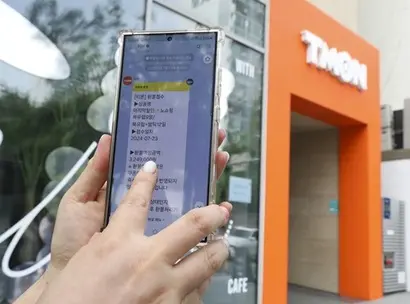
Qoo10-Triggered Insolvency Crisis: Retail and Large Vendors Line Up to 'Cut Ties'
The insolvency crisis, where Timon and WeMakePrice, subsidiaries of the Singapore-based e-commerce firm Qoo10, are unable to pay sales proceeds to vendors and have blocked consumer refunds, is spreading across the entire industry. Payment Gateway (PG) companies, credit card issuers, and mobile payment providers have collectively blocked payments and refunds for Timon and WeMakePrice, while banks have suspended "pre-settlement" loan products for vendors. Large vendors such as department stores and home shopping channels have currently suspended all sales, and small and medium-sized sellers are rushing to delist their products.
As of the 25th, major TV and data home shopping companies—including Lotte Department Store, GS Shop, CJ OnStyle, Hyundai Home Shopping057050, SK Stoa, Gongyoung Home Shopping, Home & Shopping, and Shinsegae004170 Live—have all withdrawn from Timon and WeMakePrice. PG companies have implemented measures since the 23rd to block new payments and cancellations of previous orders. While products currently displayed on the Timon website can still be purchased, the only available payment method is "real-time account transfer," which secures cash immediately. Mobile payments and micro-payment services via mobile phones were sequentially suspended the previous day, the 24th.
Travel products, which involve a significant time gap between purchase and actual use, are considered particularly hard hit. Travel agencies such as Hana Tour, Mode Tour, Yellow Balloon Tour, and Kyowon Tour have sent certified mail to Timon and WeMakePrice to notify them of settlement deadlines. The travel industry has established a policy requiring customers who purchased travel packages through these platforms to request cancellations and refunds from the platforms and then re-purchase the packages directly from the travel agencies to ensure departure.
With the crisis erupting just before the peak vacation season in late July and early August, some consumers are begrudgingly choosing to re-purchase, bearing the burden of double payments. While critics point out the issue of accountability—given that buyers must pay twice and resolve refund issues with the platforms themselves—major travel agencies do not expect the situation to reach the worst-case scenario of bankruptcy or supply disruption for now. A travel industry official stated, "There will be no issues with the use of products, including re-purchased packages, flight tickets, and hotel vouchers," adding, "We are currently in contact with internal representatives regarding refunds for products sold via Timon and WeMakePrice."
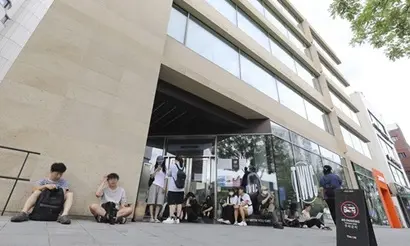
Small and Medium-sized Sellers of Appliances and Interiors Hit Directly
The real issue lies with small and medium-sized distributors. It is projected that many, from small travel agencies to local tourism and leisure facilities, will find it difficult to avoid a financial crisis if payments are not settled. Among the 60,000 sellers on Qoo10-affiliated platforms, a significant portion are small and medium-sized businesses. There are concerns that if their cash flow is blocked due to failure to receive timely payments from the platforms, it could lead to a series of bankruptcies.
The impact is even greater for sellers dealing in products with relatively high unit prices. A business owner, "A," who sells home appliances on Timon, said, "After problems erupted at WeMakePrice and sellers voiced their anxiety, the Timon appliance team issued a notice stating they would not apply discounts or commission benefits to companies that raised prices or processed cancellations/refunds without prior consultation."
It was confirmed that between July 11 and 14, Timon notified appliance partners that they would be excluded from or see reduced "MD instant discounts," coupon discounts, and credit card/mobile payment benefits if they processed cancellations/refunds totaling over 100 million KRW or raised sales/listing prices without specific reasons or prior notification to the managing MD. Some argue that companies, fearing these penalties, delayed decisions to stop sales or offer refunds, thereby missing the opportunity to reduce losses for both sellers and consumers. It is reported that the Yongsan Electronics Market, which handles large appliances and PC parts, has also been affected.
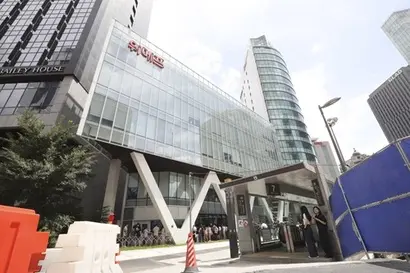
The furniture and interior markets are also on high alert. On SNS open chat rooms and communities where victims have gathered, posts are pouring in, with users claiming they "received unilateral notices of construction cancellation" or that "a baby crib purchased two months ago has had its delivery suspended." On the 25th, Simmons announced that it would complete the delivery of products worth 400 million KRW for which consumer payment had already been finalized. This is the first instance of a furniture company promising "responsible delivery" despite not receiving settlement funds. It is known that Simmons is due to receive over 1 billion KRW from Timon between August and September.
What Happens to Small Businesses Blocked from Both Sales and Settlements? Government Launches Joint Investigation
Chaos is also occurring in sectors linked to Timon and WeMakePrice through various gift certificates. Until just before the crisis, both companies enticed users by selling prepaid "Timon Cash," "Happy Money," and "Culture Land" gift certificates at discounted prices for use after purchase. Buying 50,000 KRW vouchers for around 46,000 KRW and using them like cash had been utilized as a "savings tip," with some users accumulating millions of won in value. Consequently, as the number of instances where these vouchers cannot be used increases, consumer damage is expected.
Delivery platforms such as Baedal Minjok (Baemin) and Yogiyo have also suspended the sale of gift certificates due to the non-settlement aftermath. In the case of Yogiyo, even gift certificates already registered in the app have been blocked, facing backlash from consumers. Some delivery services, such as GS Convenience Store parcel services, have also stopped their services on Timon, and the performing arts sector, including exhibitions and festivals, is taking steps to minimize damage through mass cancellations.
The fallout is reaching the banking sector. Since the 23rd, KB Kookmin Bank and SC First Bank have tentatively suspended the handling of pre-settlement loans for Timon and WeMakePrice, citing the settlement delays. A pre-settlement loan is a method where a platform seller receives the sales proceeds from a bank in advance, and the bank is then automatically repaid by receiving the settlement funds from the platform on the settlement date.
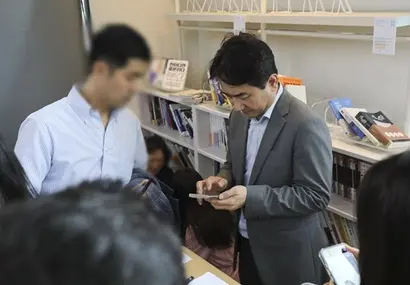
Most sellers purchase inventory in advance to match their settlement cycles. For small and medium-sized businesses without significant capital reserves, settlement delays are a matter directly linked to their survival. With sellers trapped by unpaid amounts ranging from tens to hundreds of millions of won, and with paths for trade, settlement, and securing funds all blocked, the possibility of chain bankruptcies is being raised.
On the morning of the 25th, WeMakePrice CEO Ryu Hwa-hyun said in front of the headquarters in Gangnam, "We intend to complete the refunds," adding, "We will focus on customer refunds first, and then address the issue of sales proceeds payments for small business owners and micro-merchants." According to CEO Ryu, WeMakePrice's unpaid settlement amount as of last week was 40 billion KRW.
Looking at the current shaky indicators of Timon and WeMakePrice, it is difficult to guarantee how much of the refunds for general consumers and payments to sellers they can actually cover. Timon has been in a state of capital impairment since 2016, before it was acquired by Qoo10, and WeMakePrice since 2020. According to filings, as of 2022, Timon's assets, including cash and inventory, amounted to 147.2 billion KRW, while its liabilities totaled 785.8 billion KRW. WeMakePrice's current assets last year were 58.5 billion KRW, with cash and cash equivalents standing at only about 5.5 billion KRW. Industry insiders point out that the only way to resolve this situation is for the major shareholder, Qoo10, to inject capital to boost the financial soundness of both companies and seek external financing.
Regarding this crisis, the Financial Services Commission and the Financial Supervisory Service have been conducting a joint on-site inspection since the afternoon of the 25th. They plan to check for violations of the E-Commerce Act, such as the obligation to refund payments to consumers, and urge both platforms to prepare normalization plans. Additionally, the Korea Consumer Agency and the Ministry of Culture, Sports and Tourism have begun preparations for victim relief. The government plans to focus on preventing the spread of the non-settlement issue, including the establishment of a settlement fund management system.