

[비즈한국] As "untact" (contactless) consumption has emerged as a trend, dawn delivery has become a daily routine. Not only vegetables and processed goods but also ready-to-eat meals from famous restaurants and market products are becoming more diverse. While order volumes are increasing due to the convenience of having various foods delivered to the home, there are also significant concerns. Since small and medium-sized businesses without cold chain systems are rushing into the market, food freshness is not being properly maintained.

Testing out the popular 'restaurant delivery' and 'raw fish delivery'
Service A is gaining popularity by providing dawn delivery of food from famous local restaurants. The company collects customer orders placed during the day, picks up the food from the restaurants, and then consolidates, sorts, and packages the products at a pickup hub. Deliveries start in the evening, allowing customers to receive their orders the following morning.
I ordered stew, dumplings, and pho through Service A. These were products from famous restaurants in Daechi-dong, Itaewon, and Chungjeong-ro in Seoul, respectively. On the 14th at 7:40 PM, I received a notification that the delivery had departed, and upon checking the next morning, the ordered items had arrived at my front door. The delivery was completed at 4:00 AM on the 15th. Opening the cardboard box, I found the stew packed in an insulated bag. It was packed in a disposable container just like it had been at the restaurant, so it was ready to eat after just heating it up.
The advantage of being able to conveniently receive food from famous restaurants at home is attractive. It is a service that can be well-received by consumers during times like these when going out or dining out is difficult. According to the company, Service A has been showing a monthly growth rate of over 50%.
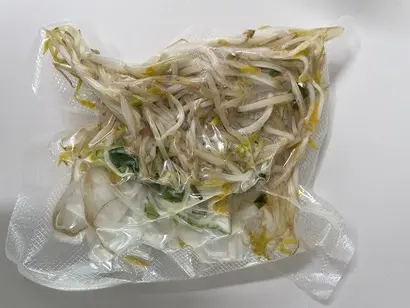
However, preparations for the upcoming summer are necessary. Exposing fully cooked food to room temperature with just one ice pack involves risks. The ice packs in the box I opened on the morning of the 15th had all melted. The bean sprouts for the pho were also wilted and inedible.
Service A responded that there are no issues with food freshness as they use refrigerated trucks for delivery. A representative from Service A stated, "We use partner companies equipped with cold chains for delivery, and we are careful about maintaining freshness by using refrigerants and packaging materials appropriate for the products."
However, the vehicles used to pick up products from the restaurants are not equipped with refrigeration systems. They use standard vehicles to move food to the pickup hub. Furthermore, there is significant exposure to room temperature while products are collected at the pickup hub before being handed over to the delivery company. In the hot summer, food is highly likely to spoil even after just a few hours of exposure to room temperature.
The representative from Service A explained, "While the pickup vehicles are not refrigerated trucks, we use ice packs and storage containers that can maintain cold temperatures, and if a delivery does not immediately follow at the pickup hub, we keep the items in refrigerated storage."
Service B, which is popular for same-day delivery of seasonal seafood and raw fish at affordable prices, also raised concerns about freshness when I tried it personally. In the case of Service B, they deliver products using standard vehicles rather than refrigerated trucks. The delivery driver took the products out of the backseat of a regular van. The raw fish, contained in a cardboard box, was being kept fresh by only one ice pack.
Inside the vehicle, several other customers' orders were also piled up. When delivering items that require extreme freshness, such as raw fish and seafood, via standard vehicles, the time exposed to room temperature increases, making it highly likely that freshness issues will occur.
A representative from Service B explained, "We have a cold chain system in place until the product is dispatched. While there is no cold chain during the final delivery phase to the customer, we keep delivery times under 3 hours to ensure it arrives fresh." They added, "In summer, we will reinforce our eco-friendly insulation to keep the inside of the box between 10 to 15 degrees Celsius, depending on changes in outside temperature."

“Only regulating transaction methods”: Hygiene management for delivery platforms is a blind spot
Service C, which launched last year, gained high popularity for same-day delivery of Garak Market products to the Seoul and Gyeonggi regions. Orders poured in due to the fast delivery service, which promised that products ordered before 3:00 PM would arrive before 7:00 PM that evening. By selling seafood and meat at affordable prices, it received a great response from customers.
There were no major issues in the early stages of the service when order volumes were low. However, as order volumes increased, delivery times began to lag. A customer named Kim, who frequently used Service C, said, "I often bought single-serving flatfish sashimi and pork belly because they were sold at low prices. When the service first started, I could specify the delivery time, and it arrived on schedule. But as word got around, delivery took a long time. I ordered raw fish for dinner, and it arrived at 1:30 AM."
As delivery times were delayed, the quality also deteriorated. Since the volume delivered at once increased, the time that freshness-sensitive items like raw fish and meat were exposed to room temperature grew longer. Complaints about product quality began to pile up, and many customers complained of symptoms after eating products ordered through the service. Cases of people getting sick after eating products ordered via Service C appeared one after another in local online communities, and eventually, Service C closed down last month.
While food-related platform businesses are increasing, there are no specific regulations for hygiene management to control them. Local government hygiene departments only manage standard restaurants, and platform operators are not considered subjects for management. The departments in charge of mail-order businesses are also in a difficult position, stating there are no hygiene-related regulations.
An official from the Fair Economy Division of the Seoul Metropolitan Government's Labor and Civil Life Policy Bureau stated, "Mail-order businesses are subject to laws protecting consumers in e-commerce, which only regulate transaction methods. Since the platform operator does not directly operate the hygiene-related establishment, there are no separate hygiene management guidelines provided."
Lee Eun-hee, a professor of consumer science at Inha University, said, "Food-related delivery and courier businesses are increasing, but there are no manuals or regulations targeting them. Local governments only handle hygiene management for general restaurants, but people’s eating patterns are changing now. It is necessary to manage whether delivery and courier companies are properly equipped with fresh management systems for food hygiene."