

[비즈한국] The government has set a target to lower the consumer price inflation rate to the 2% range in July. However, the food industry is seeing a series of price hikes for major processed foods such as instant rice, ramen, beverages, and bread. With the food industry continuing to raise prices while the government is going all-out to stabilize food prices, there are concerns that the burden of inflation felt by consumers will grow.
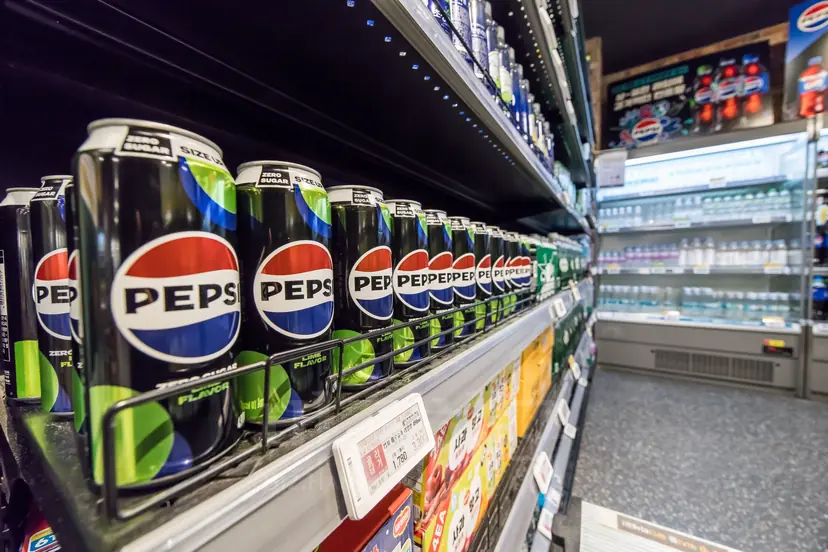
Prices of soda and instant rice rising one after another
Recently, CJ CheilJedang decided to raise prices for 27 items across 8 categories. Hetbahn (instant rice) will increase by 12%, dumplings by 4.6%, and grilled fish products by 8.4%. The increased prices are scheduled to be applied at large discount stores starting on the 30th and at convenience stores from August 1st.
Sajo will also raise prices for canned tuna, sauces, and sesame oil starting the 3rd of next month. Canned tuna products are set to rise by 10%, and canned seafood such as saury and mackerel are expected to see factory price hikes of around 20%. Prices for sauce products such as gochujang (red chili paste) and doenjang (soybean paste), as well as edible oils like sesame oil and perilla oil, will also be increased by 12% each.
Nongshim also announced that it will raise the factory prices of major cup ramen and snack products by an average of 6% and 5.5%, respectively, starting August 1st. Beverage products will also see an average increase of 7.7%. However, there is no change in the price of bagged ramen. This is the first time in 1 year and 5 months since March 2025 that Nongshim has adjusted prices for its ramen line.
Ottogi raised the factory prices of 29 items, including curry, glass noodles, ketchup, and pepper, starting on the 16th. The average factory price increase rate is 17% for pepper products, 10% for glass noodle products, and 6.1% each for curry and ketchup products. Lotte Chilsung Beverage also raised the factory prices of 44 items by an average of 5.3% starting on the 26th of last month. Coca-Cola Beverage will also raise the factory prices of 52 items supplied to convenience stores by an average of 7.2% starting next month.
Dunkin' will raise the price of 39 types of donuts by an average of 6.5% starting on the 2nd of next month. Some products, including bread and cakes from Tous Les Jours, operated by CJ Foodville, will also see prices rise by an average of 8.2% starting on the 31st.
Companies are citing rising raw material costs, exchange rates, logistics costs, and packaging expenses as the background for the price adjustments. A Nongshim official stated, "Due to the long-term high exchange rate and high oil prices amidst the international situation, the cost of materials such as packaging has soared, and the accumulated cost burden has intensified. Recently, due to worsening domestic profitability and increased supply prices from partners, price adjustments have become inevitable."
A CJ Foodville official also explained, "We have tried to minimize price increases, but we have inevitably decided to adjust the supply prices and recommended retail prices of some products effective the 31st."
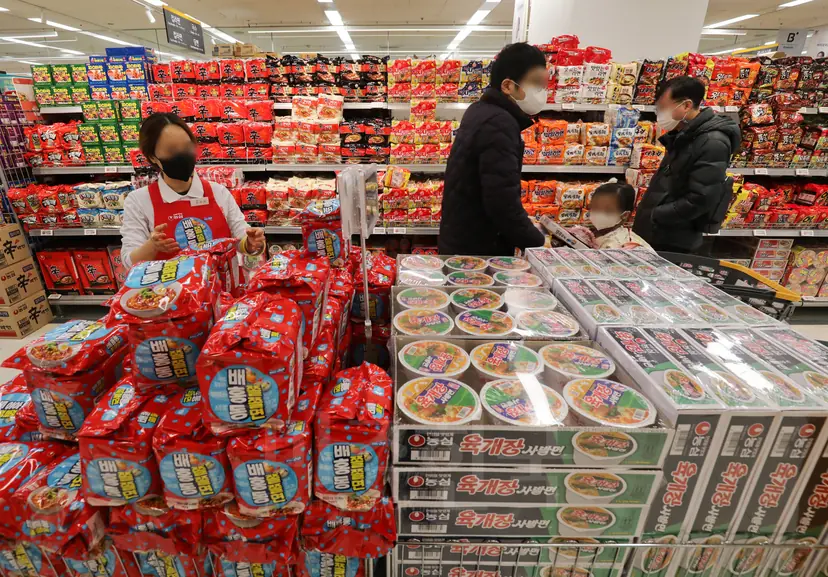
Government says "We will control inflation," food industry says "We can't hold out"
As the food industry continues to raise prices, the government's inflation stabilization goal of lowering the consumer price inflation rate to the 2% range is expected to face greater pressure. On the 24th, Deputy Prime Minister and Minister of Economy and Finance Koo Yoon-cheol held a task force meeting on special management of public livelihood prices and said, "We will do our utmost to ensure that the consumer price inflation rate, which exceeded 3% for two consecutive months, can be lowered to the 2% range in July."
Since the beginning of this year, the government has been responding to stabilize food prices by expanding supply and diversifying import sources. To stabilize egg prices, it set a plan to import 230 million fresh eggs and has completed the import of 52.24 million of them. The imported fresh eggs will be supplied to the market at a level of about 20 million per week until early August. Afterward, it decided to flexibly adjust the speed of imports by considering the recovery of domestic laying hen production.
In addition, to respond to the rise in mackerel import prices, the government plans to directly import an additional 1,200 tons of mackerel from countries like the UK and Norway, and proceed with intergovernmental consultations to diversify import sources with Chile next month.
The government has also held meetings with the food industry to manage processed food prices. In March, the Ministry of Agriculture, Food and Rural Affairs met with major food companies to emphasize the need for price stability and requested that they minimize the timing, scale, and target items for price increases. Companies have also shown a cautious attitude toward price adjustments in consideration of consumer burdens and the government's inflation stabilization stance.
However, as international oil prices and exchange rates rose due to the prolonged war in the Middle East, companies have complained about the burden of raw materials, packaging, and logistics costs. At a meeting held in June, food companies stated that it is difficult for them to absorb the cost increases on their own anymore and requested that the government expand support for taxes, exports, and logistics costs. Ultimately, unable to withstand the accumulated cost burden despite the government's price stabilization stance, the food industry began adjusting prices one after another in July, putting the government's inflation management policy to the test.
The government's policy is to strengthen the management of food prices and focus on stabilizing inflation. Deputy Prime Minister Koo emphasized, "We will further strengthen management of items closely related to public livelihoods such as food, and continue efforts to stabilize the supply and demand of raw materials. We will keep our guard up and focus all our capabilities on minimizing the burden on the people."