

[비즈한국] With the Fair Trade Commission (FTC) deciding to rectify unfair terms and conditions for paid fan club memberships at major entertainment companies, mid-term cancellations and refunds are expected to become possible within this year. However, as the schedules for developing refund systems and the methods for calculating prices for individual membership benefits vary by company, the actual implementation timelines and refund amounts are likely to differ.
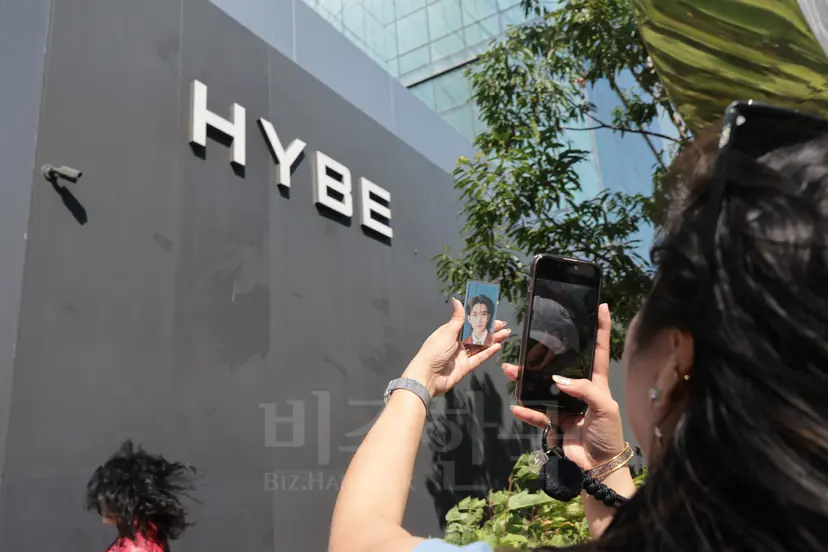
On the 10th of last month, the FTC announced that it would rectify unfair terms and conditions regarding paid fan club memberships operated by major entertainment companies and fandom platforms. Previously, some paid fan club memberships restricted mid-term cancellations and refunds on the grounds that a certain period had passed since joining or that some benefits had already been used.
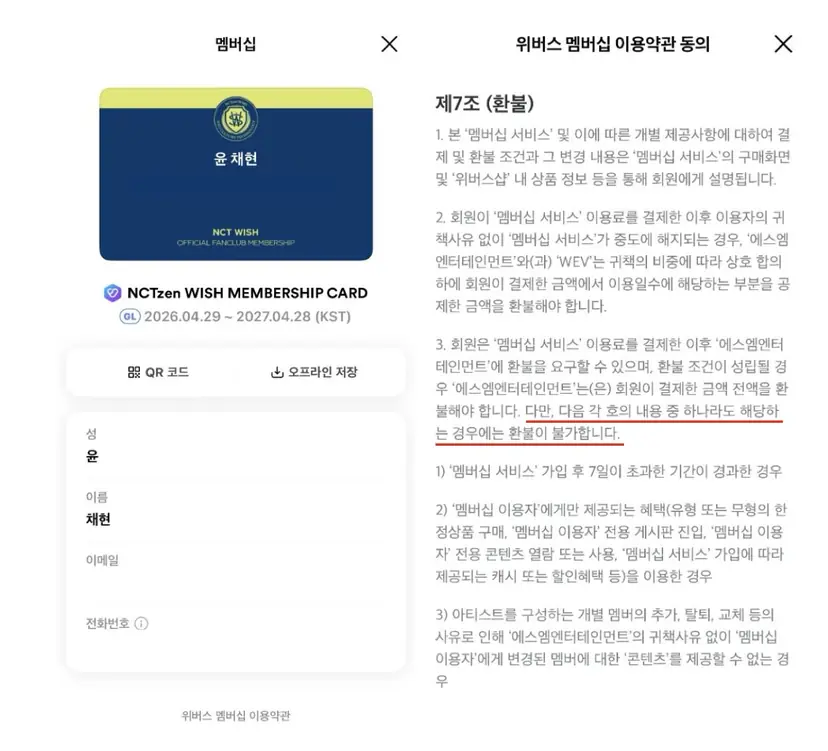
According to the revised terms, members who have not used any membership benefits within 7 days of joining are eligible for a full refund of their membership fee. Even if 7 days have passed or some benefits have been used, the remainder will be refunded after deducting a cancellation penalty and the value of the benefits already utilized. The cancellation penalty is typically around 10% of the membership fee.
However, membership refunds under the revised terms are not yet possible. This is because systems to verify a member's usage history and calculate refunds based on that data have not yet been established. Following inquiries with the FTC, it was confirmed that each company is developing relevant systems and plans to apply the new refund criteria within this year.
An FTC official stated, "Since refunds require verifying usage history and deducting amounts, system development takes time," adding, "While there may be differences in development speed between companies, the plan is to have them applied within the year."
The criteria for calculating refund amounts vary by company. Fan club memberships consist of various benefits, such as priority access to concert ticket bookings, viewing of member-exclusive content, and purchasing member-exclusive merchandise. According to the FTC, each company autonomously determines the monetary value assigned to individual benefits.
The issue is that it is unclear how to monetize intangible benefits like priority booking opportunities or access to exclusive content, as they do not have fixed prices. If a company sets a high monetary value for a specific benefit, the amount actually returned to the consumer could be significantly reduced. In other words, refund amounts could vary based on each company's calculation standards, even for the same benefit.
Instead of assigning and deducting individual prices for each benefit, JYP plans to calculate refunds based on whether benefits were used and the duration of membership. If 7 days have passed since payment or benefits have been used, the remainder will be returned after deducting a refund fee and an amount corresponding to the period of use. The refund fee is 20% of the payment for annual "term-based" memberships and 10% for annual "continuous" memberships. In addition, an amount calculated by multiplying the payment by the ratio of months elapsed out of the 12-month membership period is further deducted. This regulation has been reflected in their terms of service.
JYP stated, "We have begun developing our refund system and will apply the changed regulations starting October 30." The same rules will also apply to existing members who joined before the revision. However, SM and HYBE did not provide specific responses to inquiries regarding their price calculation methods for benefits or their introduction schedules for refund systems. Their terms of service also continue to display the pre-revision content.
Concerns have also been raised that the method of refunding memberships after utilizing priority booking benefits could be abused for proxy ticketing or scalping. Users could join multiple accounts to participate in priority bookings and then retain only the accounts that secured tickets while requesting refunds for the accounts that failed to book.
In response, the FTC noted that it could also prepare restrictive clauses to prevent repeated joining and canceling. An FTC official said, "Depending on the needs of each company, provisions may be included to restrict re-joining for a certain period or limit refunds if a user repeatedly joins and cancels," adding, "We are considering the possibility that behavior such as joining only to use benefits briefly and then canceling could lead to scalping."