

[비즈한국] On the 7th, at the bus transfer center in front of Seoul Station. Three suitcases were left sitting alone in one corner of the taxi pick-up and drop-off zone. One had its opening half-unzipped, and the other two were standing side-by-side. The suitcases had been there since 8:30 AM, and after more than four hours, no owner had appeared. While they may look like bags momentarily left behind by a traveler, they are, in fact, trash.
Five abandoned suitcases were also piled up in front of Entrance 9-1 of Seoul Station. A notice warning of mandatory removal of street obstructions was attached to their exterior. The area around the suitcases was filled with packing materials and household waste.
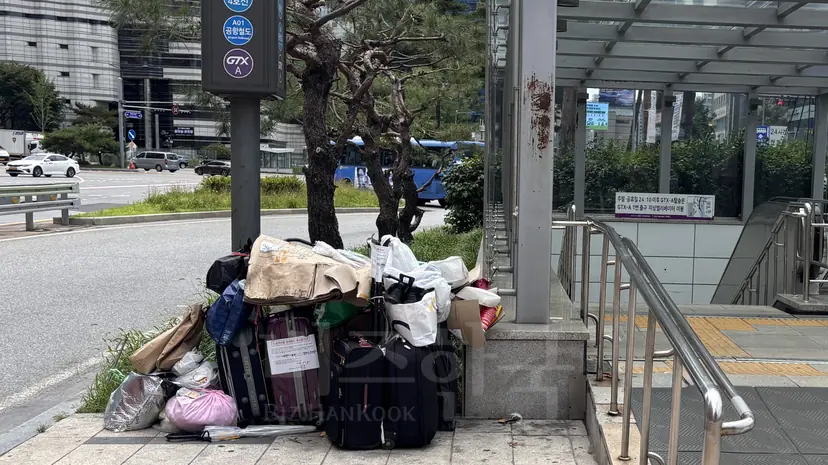
The number of suitcases being abandoned at major tourist spots and airports in Seoul is on the rise. Travelers often discard their old bags after purchasing new ones because their luggage increased during their trip or because the wheels or other parts were broken. The problem is that it is difficult to treat these neglected suitcases as simple waste immediately. Since it must be determined whether they are lost items or intentionally discarded, and because airport security requires inspecting them for potential threats, significant manpower and time are wasted.
At Incheon International Airport, which was visited around 4:00 PM the previous day, ownerless suitcases were also found on top of luggage carts and in one corner of the waiting room. These suitcases remained untouched during the approximately three hours the reporter stayed at the airport. Some had broken wheels, and some even had luggage tags showing they had entered Incheon on China Eastern Airlines.
Each airline sets limits on the number and weight of free checked bags, charging extra if those limits are exceeded. As a result, many foreigners combine their belongings from multiple bags into one or transfer items into a separate bag before departure, leaving the empty suitcase behind. That day, one passenger took everything out of a suitcase, packed it into a separate bag, and walked away, leaving the empty suitcase behind. When the reporter asked, “Are you throwing that away?” the passenger avoided answering.
There were also foreigners who moved their luggage into several large sacks before abandoning their suitcases. In the luggage sorting area, two people appearing to be traveling together spread out their suitcases and sacks, transferred their items multiple times, and left, leaving only the empty suitcases behind. These were the so-called "Daigou," or Chinese surrogate shoppers, who left their suitcases behind during the process of transporting goods.
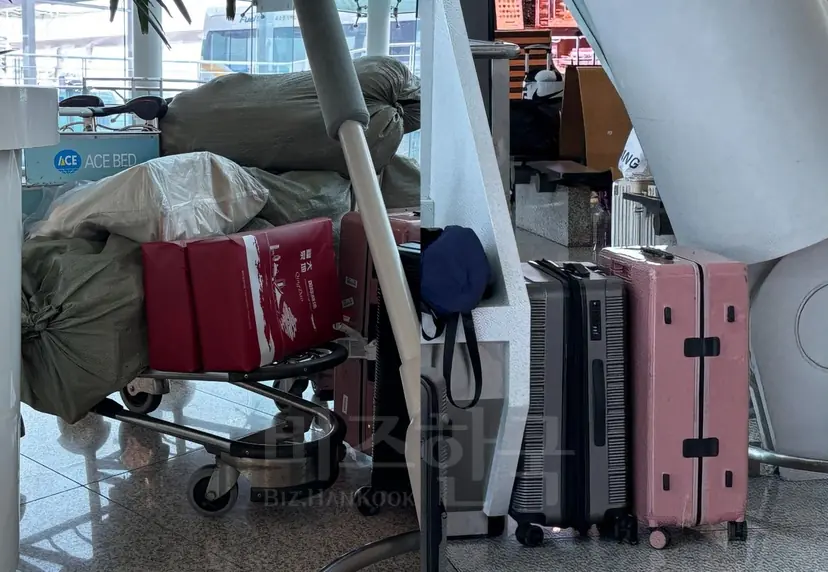
An airport security guard stated, “During busy hours, it is difficult to immediately tell if a suitcase is abandoned or if it belongs to a passenger who has stepped away for a moment,” adding, “If the owner doesn’t appear and the bag remains even when no one is around, we collect it and follow lost-and-found procedures.” They continued, “It’s hard to say how many cases occur daily, but it happens quite frequently. Sometimes, when we check a suitcase turned in as a lost item, we find it filled with trash.”
Another airport employee also remarked, “If a passenger intends to dispose of a suitcase, a separate large-waste disposal procedure is required. We instruct them to leave it in a designated area while open so the contents are visible, but in reality, they often leave them closed,” adding, “Because it’s impossible to tell from the outside whether it’s abandoned or just left for a moment, it’s difficult to clear them away immediately.” They explained, “If the owner does not appear within a certain amount of time, we verify it through lost-and-found or security procedures before collecting it.”
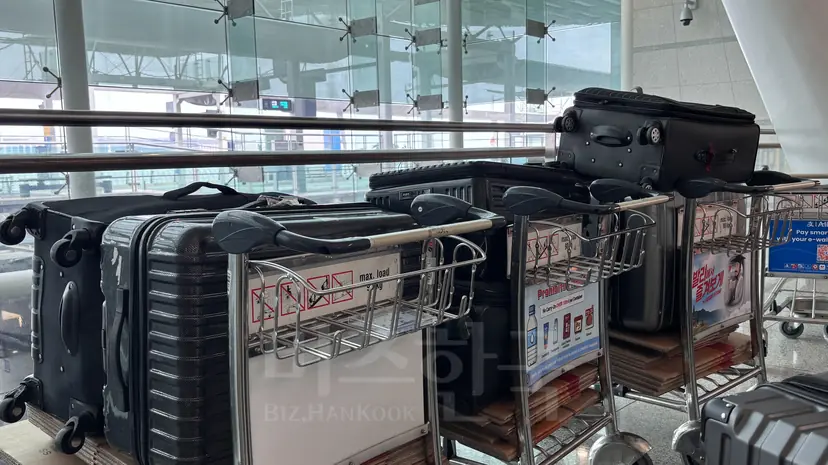
At Incheon International Airport, ownerless luggage cannot be cleared away like general trash. Because it is a security facility, if a bag with unknown contents is left unattended for a long time, the owner must be identified and the bag checked for dangerous items. Ultimately, even an empty discarded suitcase must go through a process to distinguish it from hazardous materials.
At Jeju International Airport, the issue of unauthorized dumping has also emerged, with some tourists leaving behind trash from duty-free packaging and luggage organizing in the waiting area. Japan is also experiencing similar problems as the number of foreign tourists increases, with more suitcases being abandoned around airports, hotels, and tourist destinations.
The final disposal of suitcases abandoned around Seoul Station is the responsibility of the local government. A notice is first attached to objects obstructing traffic, requesting voluntary removal; if the owner does not appear, the relevant department collects them. Items clearly determined to be trash are treated as waste.
An official from the Sanitation Department of the Jung-gu Office in Seoul stated, “Since it is unauthorized dumping, if we can identify the person who left it via CCTV, we go through a verification process,” and added, “Depending on the size of the suitcase, one must usually pay a large-waste disposal fee of around 3,000 won per bag.” They added, “The reality is that there are many cases where people just leave them on the street without paying. In many cases, if foreign tourists leave their suitcases at accommodations, the hotels collect several and report them as large-scale waste.”