

[비즈한국] With the merger with Megabox falling through, Lotte Cinema has begun formulating an independent survival strategy. Industry experts point out that as the recovery of the domestic theater market remains uncertain, Lotte Cultureworks must find a breakthrough in the Vietnamese market, its only remaining overseas business region. However, as the Vietnamese subsidiary is currently in a state of capital impairment and the parent company continues to provide debt guarantees, improving the profitability of the Vietnam business and managing financial burdens have emerged as key challenges for Lotte Cultureworks.
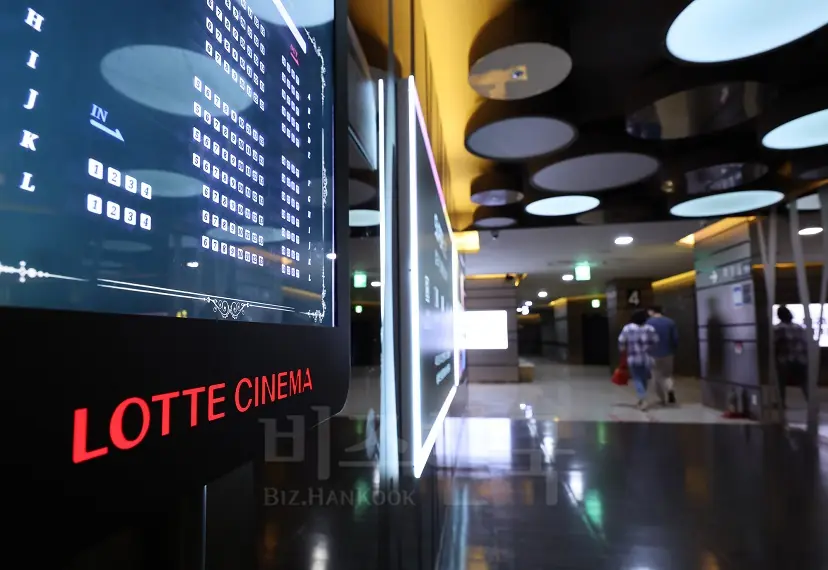
Aftermath of JoongAng Group’s Liquidity Crisis… Lotte Cinema and Megabox ‘Big Deal’ Collapses
On the 1st, Lotte Shopping announced that the merger process between Lotte Cinema and Megabox, which Lotte Cultureworks had been pursuing with Contentree JoongAng, has been halted. Lotte Shopping stated, "The MOU signed to push for the merger between Lotte Cultureworks and Megabox JoongAng has expired as of June 30, 2026, and all merger-related procedures have been discontinued."
Previously, in May of last year, Lotte Cultureworks and Megabox JoongAng signed an MOU to pursue a merger. The merger between Lotte Cinema and Megabox drew attention as a "big deal" in the multiplex industry. Amid growing concerns over the survival of multiplexes due to the theater slump, expectations had risen that the second and third-largest players in the industry joining forces could form a duopoly with the No. 1 player, CGV.
Both companies requested pre-consultation on the business combination from the Fair Trade Commission and began seeking investment, but the merger process failed to gain momentum. Against this backdrop, JoongAng Group's liquidity crisis erupted last month, leading Megabox JoongAng to file for court receivership, eventually causing the merger to collapse with the expiration of the MOU.
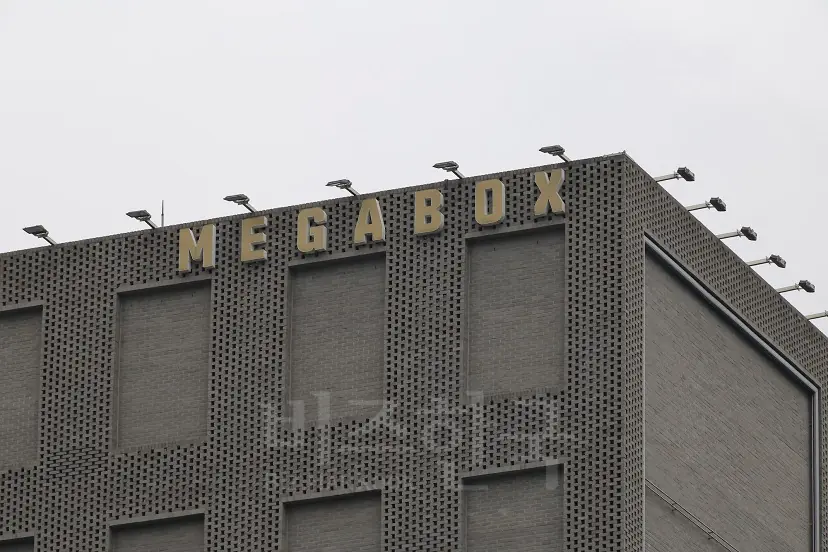
Megabox JoongAng filed for rehabilitation on June 14, and the process began in earnest as the court decided to initiate rehabilitation procedures on the 30th of the same month. The deadline for Megabox JoongAng to submit its rehabilitation plan is December 1. Currently, Megabox JoongAng is proceeding with theater operations—such as paying employee salaries, rent, film screening fees, purchasing concession supplies, and paying for facility management services—with court approval.
According to BizHankook, Megabox JoongAng submitted an application to the court on the 2nd for permission to appoint a Chief Restructuring Officer (CRO). A CRO is a professional responsible for overseeing capital management, restructuring, and the establishment of rehabilitation plans for companies under rehabilitation. With Megabox JoongAng initiating the appointment of a CRO, the rehabilitation process is seen as having moved into a full-scale restructuring phase.
Lotte Cinema’s Vietnam Business… Only Debt Guarantees Increasing
With the merger with Megabox scrapped, Lotte Cinema faces the need to craft an independent survival strategy in a stagnant multiplex market. Lotte Cultureworks’ revenue last year was 434.5 billion won, a 3.8% decrease from the previous year (451.7 billion won). While it posted an operating profit of 300 million won in 2024, it turned to a deficit last year with an operating loss of 10.5 billion won. Its market share is also on a downward trend, falling from 33.7% in 2023 to 28.5% in 2024, and shrinking further to 27.9% last year.
The downturn of Lotte Cultureworks was heavily impacted by the film market slump. According to the Korean Film Council’s Film Policy Research Institute, the total number of theatergoers decreased from 125.14 million in 2023 to 123.13 million in 2024, and dropped further to 106.09 million last year. The number of viewers, which had shown signs of recovery after the endemic, has returned to a downward trend.
In the first quarter of this year, the market saw a brief boost as 'The Man Who Lives with the King' drew over 15 million viewers, combined with the long-running success of 'If We' and the strong performance of foreign films like 'Avatar: Fire and Ash.' According to the Korean Film Council, the total number of viewers in the first quarter was 31.9 million, an increase of 53.2% compared to the same period last year. Lotte Cultureworks also successfully turned to a profit in the first quarter, recording an operating profit of 7.9 billion won. Although the positive momentum continued into the second quarter, industry experts note that the box office intensity was somewhat weaker compared to the first quarter. Therefore, some analysts argue that it is too early to conclude that the short-lived success in the first half of the year signals a full-scale recovery for the market.
In a situation where the growth of the domestic film market remains uncertain, the importance of overseas business is growing. In particular, since Vietnam is currently the only place where Lotte Cinema maintains overseas operations, expectations are that success in the Vietnamese market will be a key variable for future independent survival strategies.
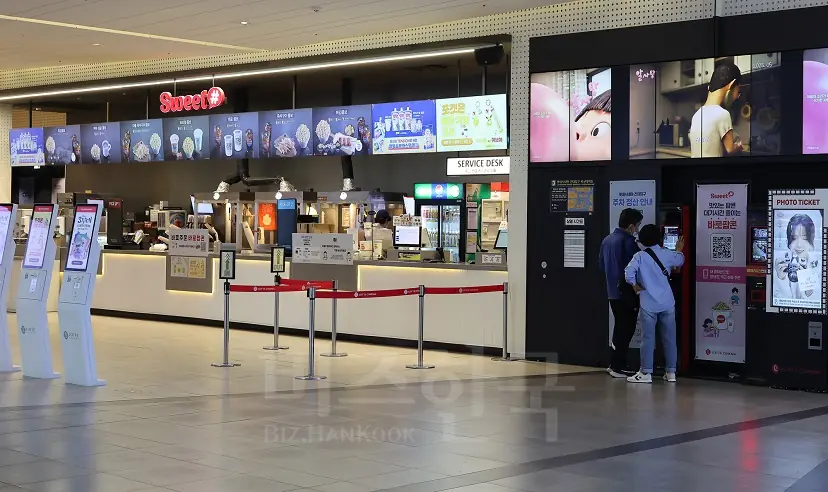
Lotte Cultureworks entered the Vietnamese market in 2008, a first for a domestic multiplex company, and currently operates 45 theaters. While it previously conducted theater business in China, Indonesia, and Hong Kong, it withdrew from all of them due to lackluster performance, and now only carries on overseas business in Vietnam. The industry assesses that the theater industry in Vietnam has sufficient room for growth as the per capita frequency of movie attendance is lower than that of neighboring countries.
However, the results in the Vietnamese market have not yet met expectations. In the first quarter of this year, Lotte Cinema’s Vietnam subsidiary recorded 19.1 billion won in revenue and 2.2 billion won in net profit. This compares to the Vietnam subsidiary of CJ CGV, which entered Vietnam later than Lotte Cinema, recording 64.7 billion won in revenue and 4.1 billion won in net profit during the same period. The financial structure is also a burden. Lotte Cinema’s Vietnam subsidiary has a total equity of negative 206.2 billion won, putting it in a state of complete capital impairment.
Even with the Vietnam subsidiary's performance and financial structure not yet stabilized, Lotte Cultureworks continues to provide guarantee support. Last month, it decided to provide a debt guarantee for the Vietnam subsidiary’s $10 million (approximately 15.1 billion won) loan from Shinhan Bank. The scale of the guarantee amounts to 11.63% of Lotte Cultureworks’ equity of 130.05 billion won. Previously, in September of last year, it also decided to provide a debt guarantee for $23.5 million (approximately 32.5 billion won) in loans from Shinhan Bank and Hana Bank. Lotte Cultureworks’ total outstanding debt guarantee balance currently stands at 65.89 billion won.
Industry experts believe that as the Vietnam subsidiary continues its structure of relying on borrowing from financial institutions, Lotte Cultureworks’ guarantee burden is also growing. Concerns are raised that if the performance improvement of the Vietnam subsidiary is delayed, such debt guarantees could lead to a financial burden for the parent company.
A Lotte Cultureworks official stated, "We are operating theaters in the Vietnamese market and also engaging in film investment and distribution. As the Vietnamese market continues to grow, we are in a stage of continued investment." They added, "The recent debt guarantee is also a standard credit enhancement measure for the local subsidiary’s financial transactions, and we will decide on future support by comprehensively considering business performance, market prospects, and financial conditions."