

[비즈한국] The International Electronics Center (I'Park) in Seocho-gu, Seoul, which once saw its vacancy rate soar to 30%, is regaining vitality due to the proliferation of figure and gacha (capsule toy) shops. While vacancies have decreased rapidly, existing electronics retailers feel the burden of rising rents more acutely than the benefits of the increased foot traffic.
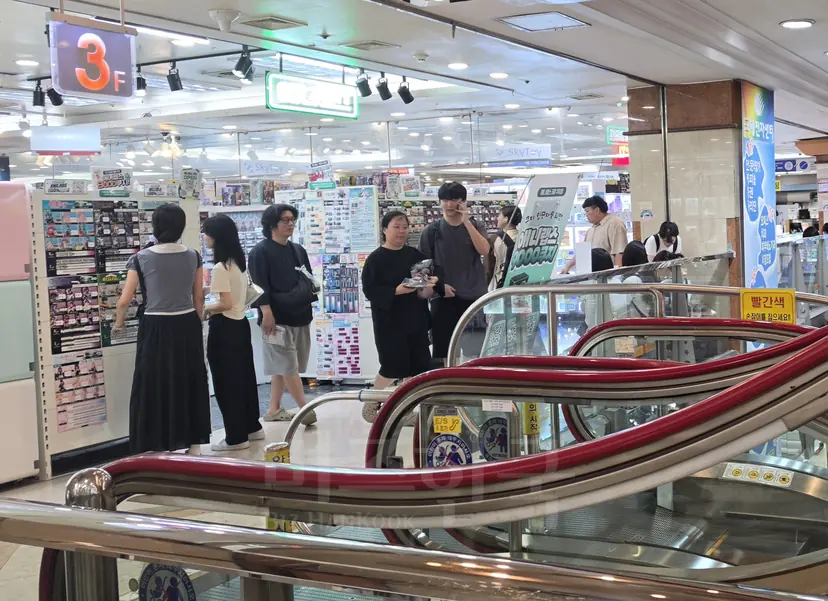
Despite the rainy weekday, the International Electronics Center was bustling on the 6th with visitors seeking figure and gacha shops. Visitors were seen selecting items in front of gacha machines or browsing displayed figures. A person in their 20s, identified as A, met in front of a figure shop on the 5th floor, said, "The International Electronics Center is known as a mecca for figures and gacha," adding, "I visit often with friends when I have time."
A tour of the International Electronics Center from 10 a.m. to 4 p.m. that day revealed that figure and gacha shops were scattered from the 2nd to the 9th floors. They were also easily noticeable as they occupied prime spots on each floor, such as near the escalators.
The flow of visitors to figure and gacha shops continued throughout the afternoon. Conversely, visitors heading to existing electronics shops selling computers or mobile phone-related products were relatively rare. One electronics shop owner, looking at a nearby gacha machine, said, "The shop right next to me is crowded, but people don't come to our side," adding, "It's uncomfortable sometimes because it gets loud."
Opening in 1997, the International Electronics Center has been considered one of Seoul's representative electronics markets alongside Yongsan Electronics Market and Sewoon Sangga. However, the timing of its opening overlapped with the Asian financial crisis, dealing a blow to initial sales and operations. Later, the rise of online shopping and changes in the distribution structure of electronics products led to a decline in visitors, and the situation worsened during the COVID-19 pandemic, with the vacancy rate reaching the 30% range.
To reduce vacancies after COVID-19, the International Electronics Center encouraged the demand for figure and gacha shops, which had been concentrated on the 9th floor, to move to the 7th and 8th floors. Relatively low rent became the backdrop for related business owners to move in. An official from the International Electronics Center said, "We tried to fill the vacancies by dispersing the demand for figure and gacha shops, which were concentrated on the 9th floor at the time, to the 7th and 8th floors," adding, "That strategy was effective."
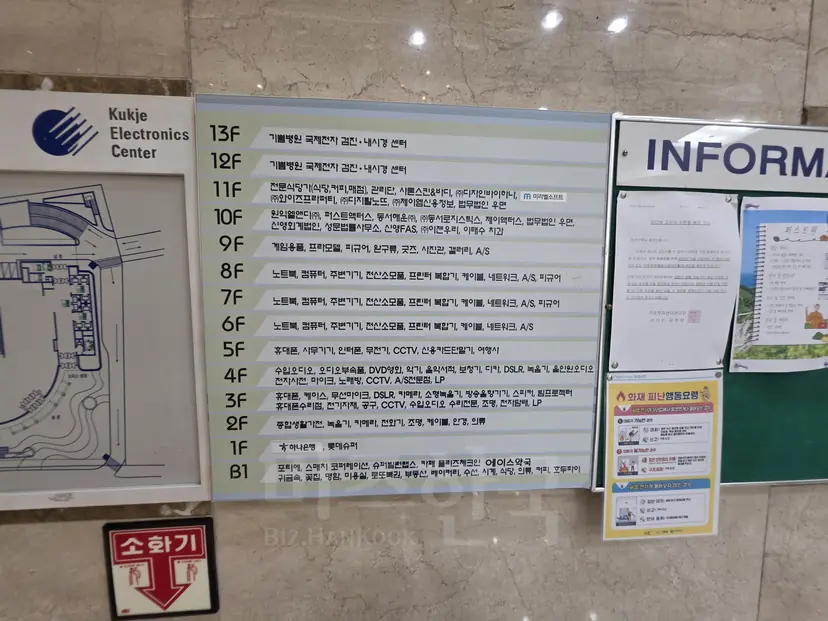
As the International Electronics Center became known as an ‘otaku mecca’ among subculture consumers over the past 1-2 years, demand for related shops spread to other floors. According to an official from the International Electronics Center, the vacancy rate, which once reached 30%, has now dropped to 0%.
Recently, it is said that as soon as a vacancy occurs, a figure or gacha shop moves into that spot. Mr. B, who runs a camera shop on the 4th floor, pointed to a vacant space across from his shop and said, "It looks empty, but it's already under contract with a gacha shop," adding, "Recently, whenever a vacancy appears, a gacha or figure shop inevitably moves in."
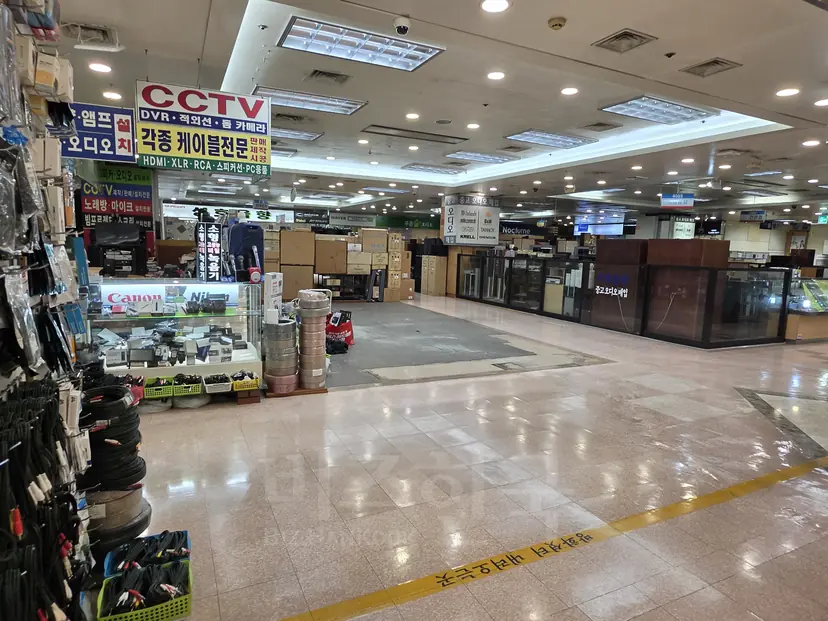
Although vacancies have decreased and visitors have increased, the effect felt by existing electronics shops has been limited. A merchant selling computer-related products on the 7th floor said, "It is true that there are more people on both weekdays and weekends," but added, "The demand is different from what we seek. Honestly, it's hard to see it as helpful to sales." A merchant who has been running a mobile phone shop for 18 years also said, "I feel that the floating population has increased, but the impact is minimal," adding, "There are only a few customers looking for cases."
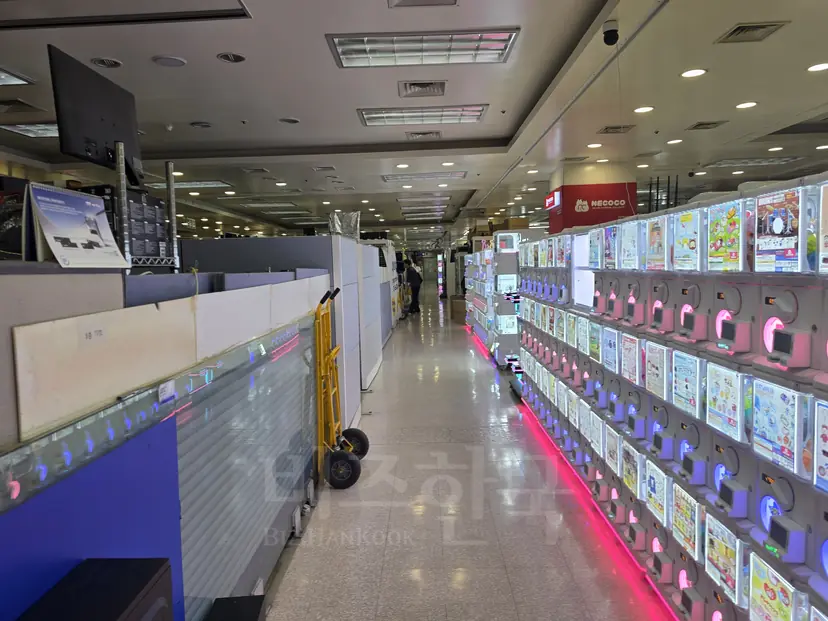
Existing electronics merchants complain that the burden of rent has actually increased. When the vacancy rate was high, landlords chose to fill the shops even with low rent. There were even places in the back of the floors or in areas with little foot traffic that operated by only paying management fees without rent. However, as demand for figure and gacha shops increased and they began to compete for space, rents began to rise. Recently, cases have been confirmed where figure and gacha shop owners who want to secure a good spot offered a higher monthly rent than existing ones to property owners to enter spots where existing merchants are currently operating.
A merchant running an electronics shop on the 5th floor said, "As this place became famous for figures and gacha, many related businesses started moving in," adding, "Some people say they will pay three times more than the existing rent to get in, so how could they not raise the rent?" An official from a nearby real estate agency also said, "Previously, the rent per unit was around 100,000 won, but now it has generally risen to 300,000–600,000 won," adding, "There is also demand for good spots to pay higher rent than before."
300,000–600,000 won per month per unit is not a high amount compared to major commercial areas in Seocho-gu. However, it is a significant burden for existing electronics shops. Even if visitors increase, the sales growth is limited, and merchants who have been operating on the premise of low rent are now facing rent hikes. This is why it is pointed out that a plan is needed to connect the increased number of visitors to sales at existing shops.
Experts saw the International Electronics Center’s commercial district as shifting from being centered on existing electronics to being centered on figure and gacha shops. Seon Jong-pil, CEO of Sangga News Radar, said, "The International Electronics Center was a place that originally had many vacancies. If figure and gacha shops hadn't moved in, the survival of the commercial district itself might have been at risk," adding, "It is true that this demand has partly driven the rise in rent, but it can also be seen as a process of normalization of rent that was lowered when the commercial district was stagnant."
CEO Seon suggested that existing electronics shops need to find ways to convert the increased visitors into sales. He said, "It's not that the consumer base looking for figure and gacha shops doesn't spend money on anything else," adding, "It is necessary to think about experience spaces, flow design, and integrated marketing that can connect consumers accustomed to subculture with electronics shops."